With gratitude to the professors and colleagues who supported me through my Masters in Landscape Architecture and subsequent work as a playground design with Earthscape Play, I pulled together a small collection of my student projects.
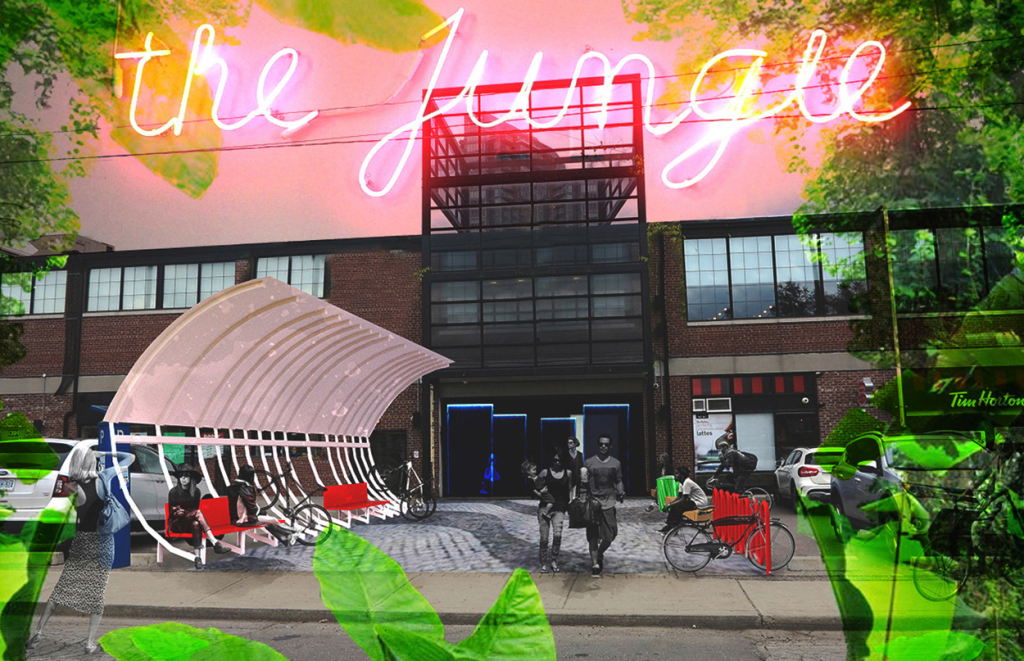
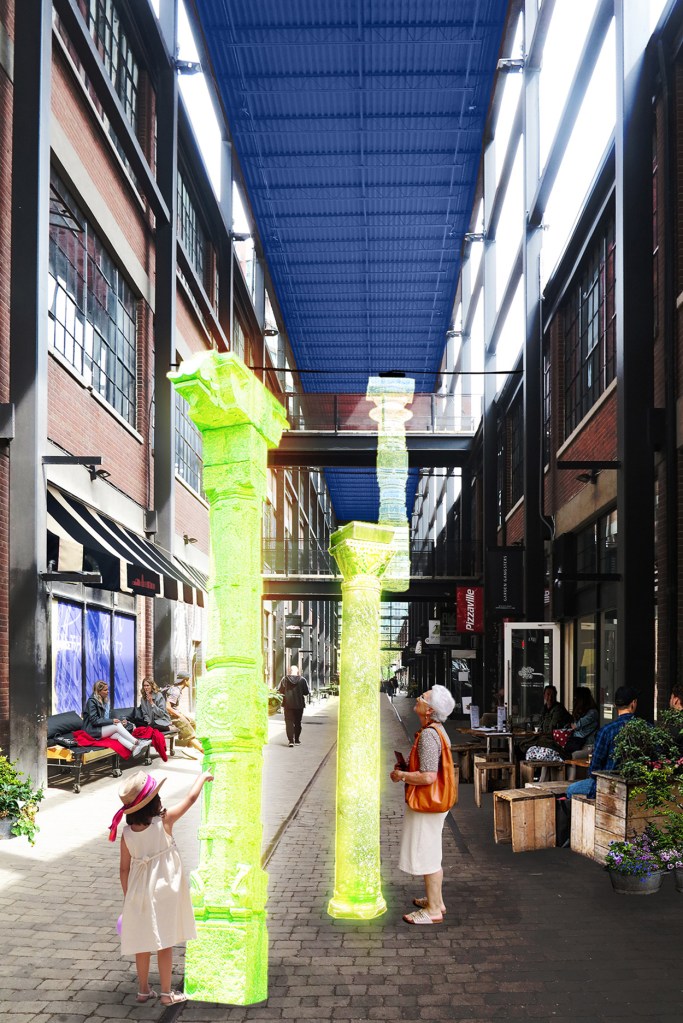
POPS: Liberty Market (2017) A cornerstone building in the heart of Liberty Village, the Liberty Market Building in Toronto, Ontario offers more than 300,000 square feet of commercial space to local businesses and nearby residents. Today, the tenant mix is diverse, from restaurants & shops to medical offices and startups. The Liberty Market Galleria (LMG) cuts through the complex on the south side, a two-storey, semi-enclosed corridor covered by a glass atrium. A dozen retail storefronts, “The Shops” are accessible at the ground level to encourage pedestrian access. This privately-owned public space (POPS) badly needs a big idea to make it a more attractive place for people to linger, stroll and enjoy. These preliminary ideas and visuals were developed for the space. The design theme came from the idea to turn-around the negative term of an “Urban Jungle” into a real wild jungle-inspired pubic/commercial space. Both East and West main pedestrian entrances have been re-designed to push back the parking (a total of about 6 spots eliminated) and mark the area as pedestrian / bike only. On the West side, a placement of oversized arc-shaped bike parking / bench structure, additional open bike parking and numerous benches were to signal the LMG’s commitment to green transportation and keep the large visible portion of the space exclusively pedestrian. Glass panels lit at the top have been placed at the entrance into the Galleria resembling a waterfall, with the multi-colour unit pavers intersecting the entrance space in a water-ripple pattern. The glass panels not only add mystery and playful excitement to the now-dark entrance, but act as wind/snow breakers in the winter. Synthetic rubber glow pillars (made from the same material a glow-in-the-dark dog toys) are installed on the floor and some hung from the ceiling. Their glow and uniqueness reminiscent of the abandoned structures found in the jungles of East Asia. The existing parking is pushed further away from the East entrance, and an over-sized white sculptural “slide” is installed, connecting the outdoor floor plane with the ceiling inside the Gallery, and reminding people of both the awe-inspiring roots of old trees found in the jungle, or the over-sized Mobius strip.
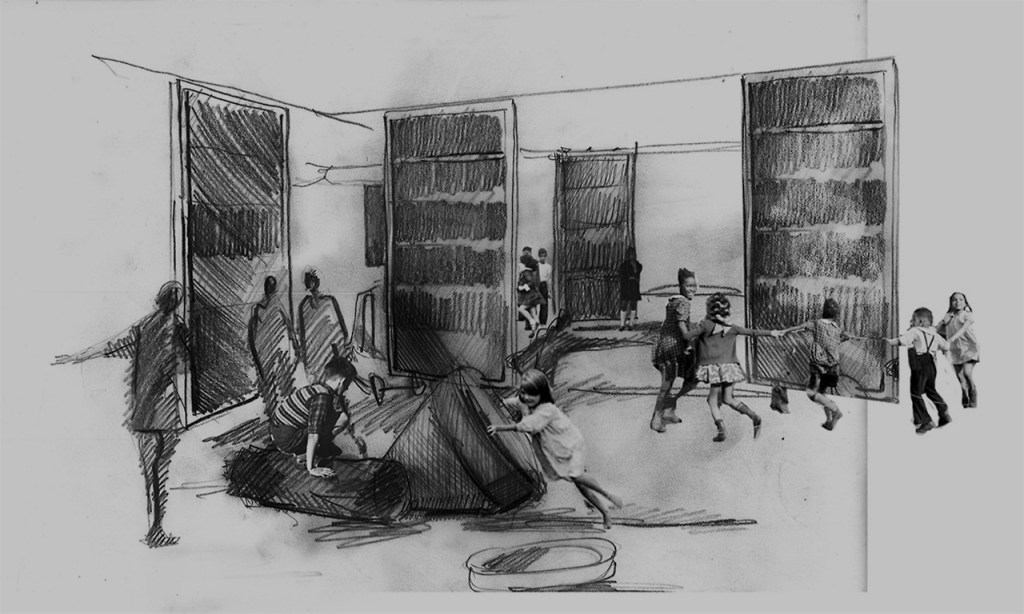
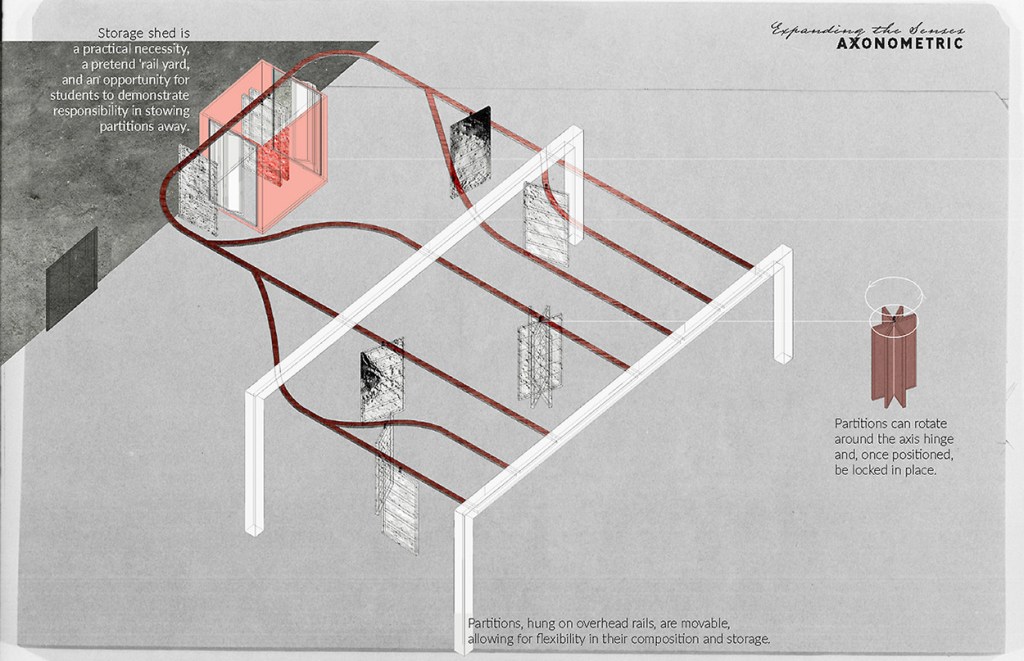
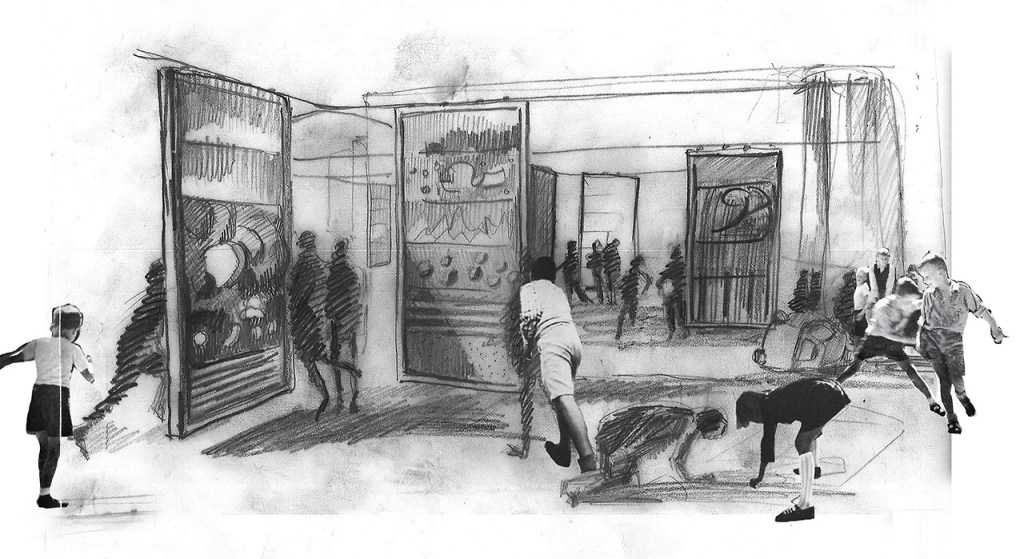
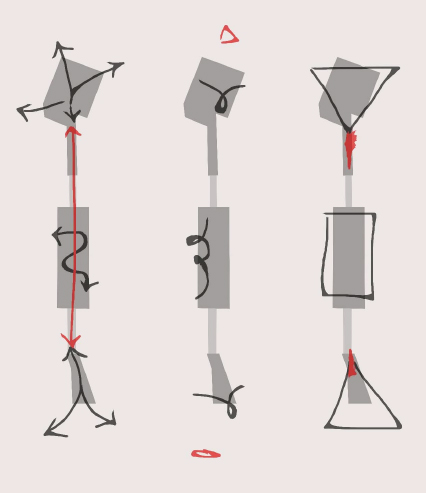
HAPTICS & ACCESSIBILITY IN SCHOOLYARD DESIGN (2017): The images related to a submission for a Design Exchange competition (2017) on accessible design. The team included myself and Professor Nathan Perkins (University of Guelph). Our objective was to merge accessibility goals with the richness of exploratory behaviours afforded by tactile-focused design. The site of a public school in Guelph was selected, though the design is meant to be easily transferrable to any other site suffering from haptic deprivation. Partitions comprised of metal frames with interchangeable insert panels are hung on overhead rails. Individual panels, made of different materials, painted different colours, and consisting of a variety of parts and shapes, can be swapped to reflect curriculum, demonstrate a particular lesson or facilitate a certain game. The partitions are movable, allowing for flexibility in their composition and storage. They can be positioned (and locked in place) to create spaces able to accommodate groups of different sizes, and provide shade and vertical diversity. The overhead rail ensures the yard surface remains accessible and be easily maintained in winter.
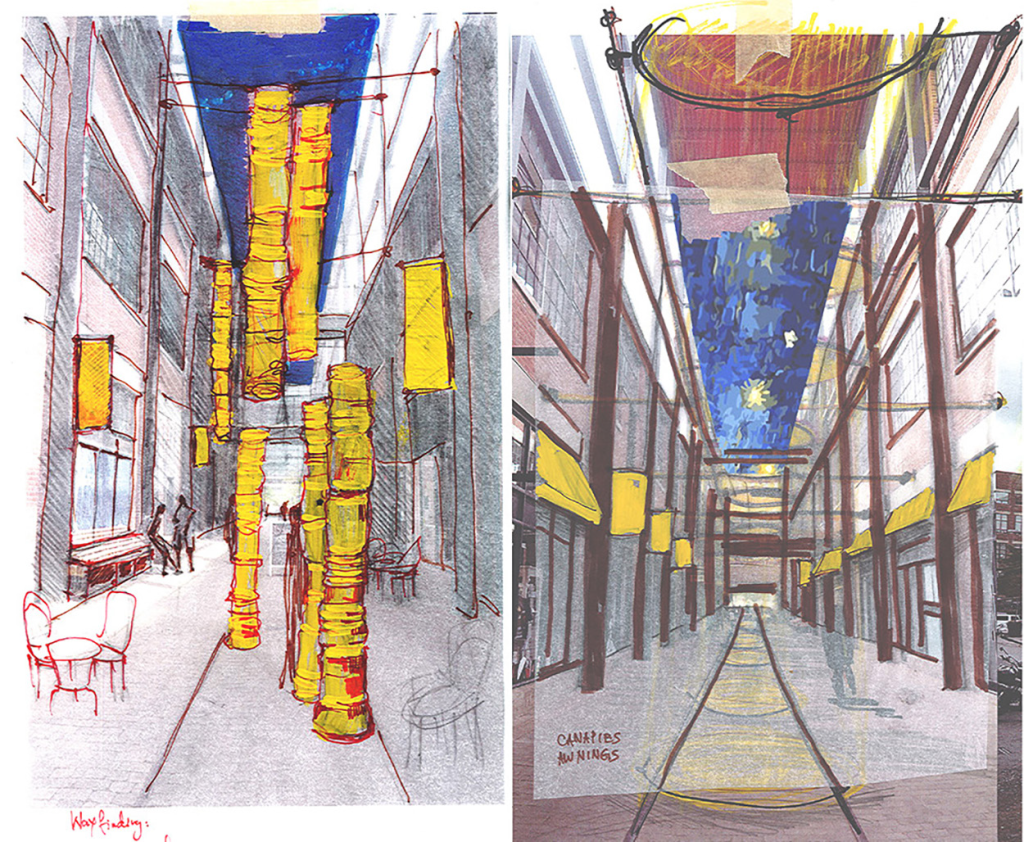
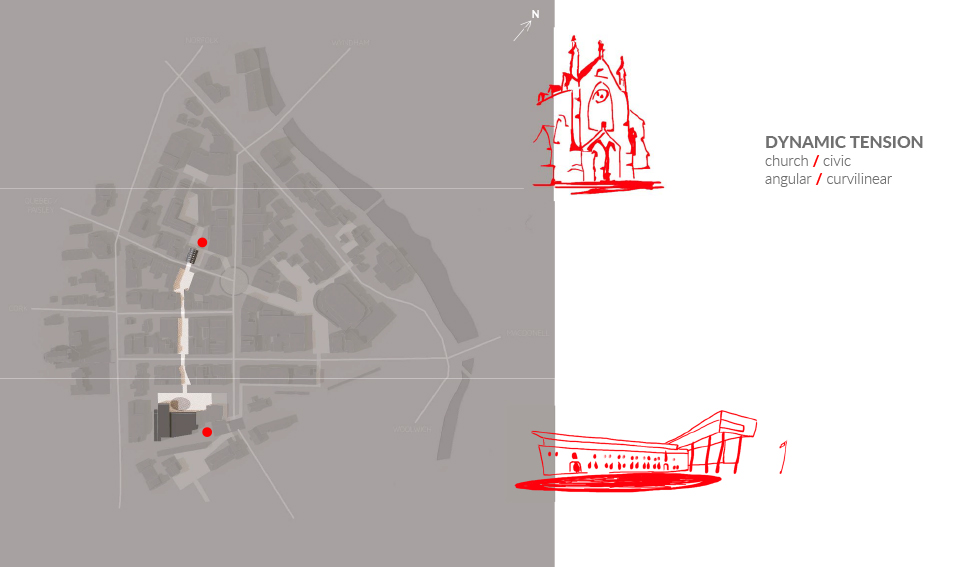
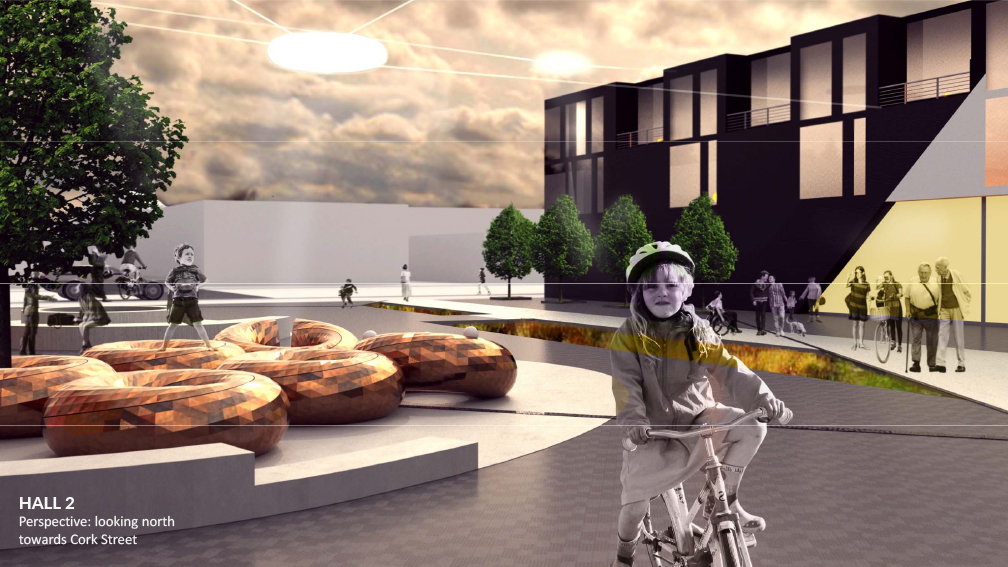
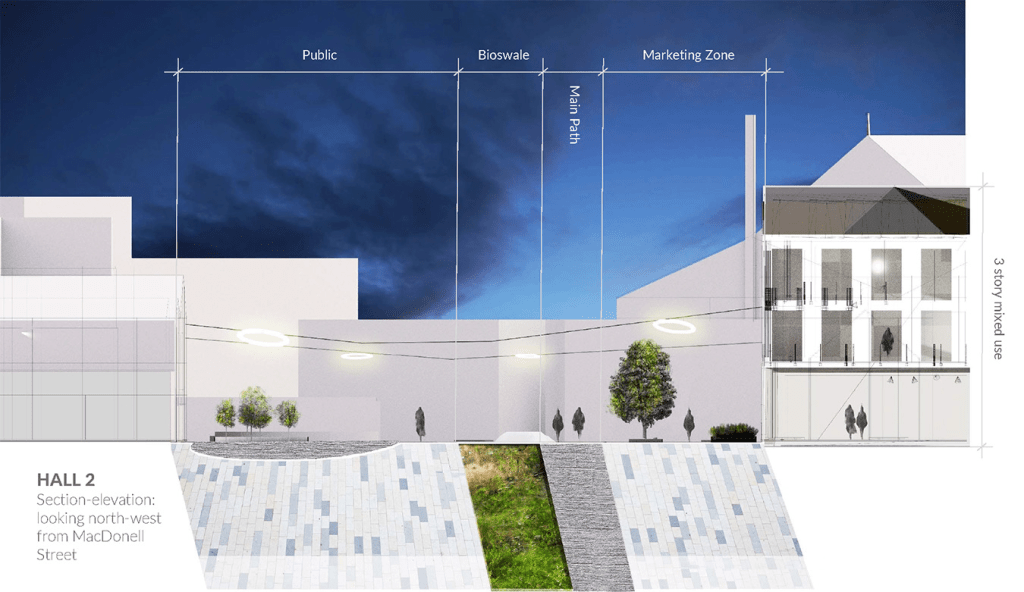
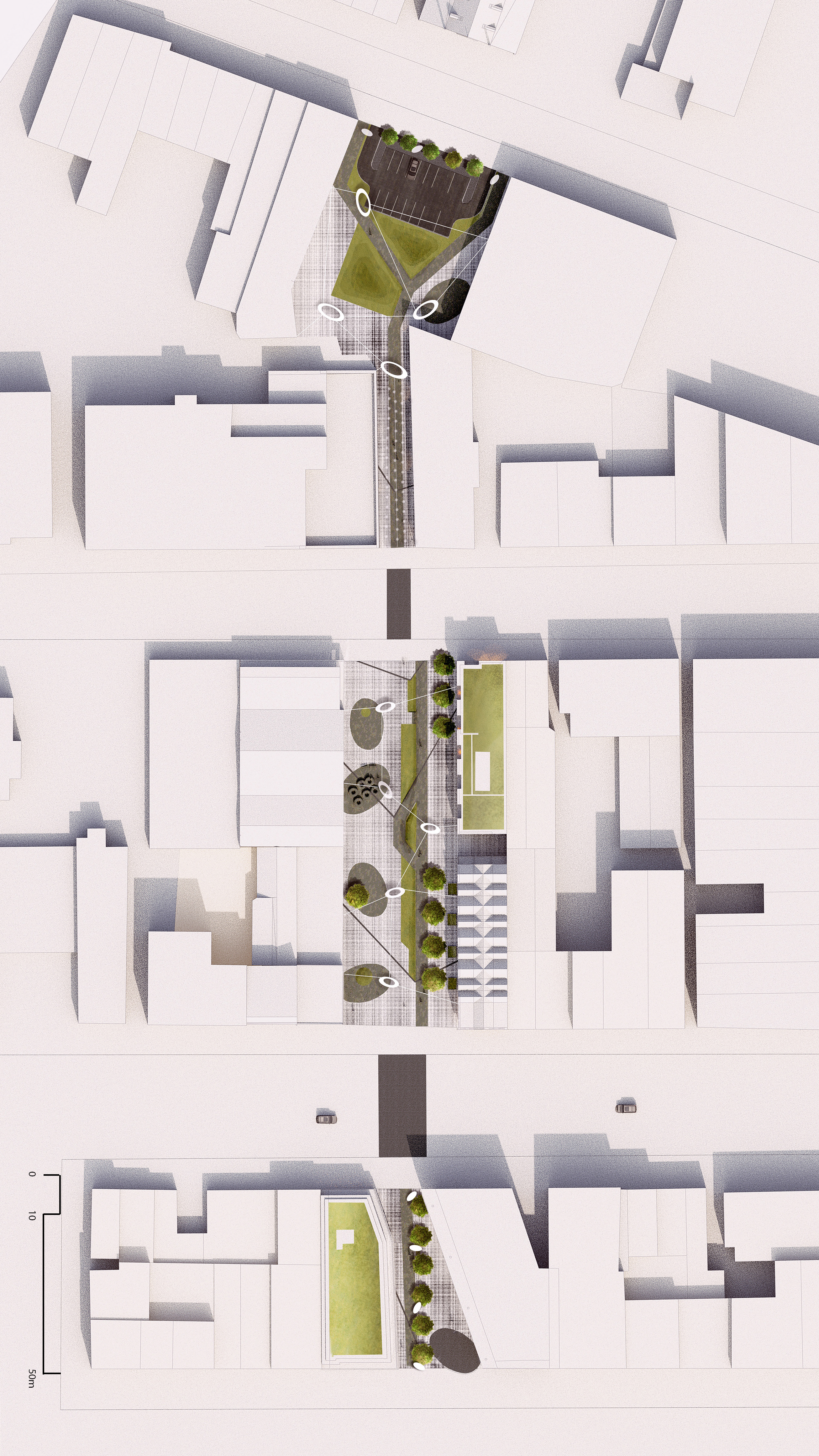
LINEAR URBAN SPACE: PEDESTRIAN MEWS DESIGN (2017): The following images related to a design of a pedestrian mews in downtown Guelph. The design of this particular linear space was proposed as part of a larger proposal to construct an entire network of pedestrian mews / alley spaces in downtown Guelph based on the principles of connectivity, pedestrian centrality and permeability. The design incorporated principles developed by Urban Strategies as part of the Masterplan for Downtown Guelph and was presented to Urban Strategies principals as part of course deliverables. DESIGN GOAL: Create independent and dynamic, exclusively pedestrian space which unique identity will be easily recognized as Guelph’s main mews and which will provide Guelph residents and visitors with an opportunity to safely move across downtown by foot or bike, as well as to rest, play, and shop.
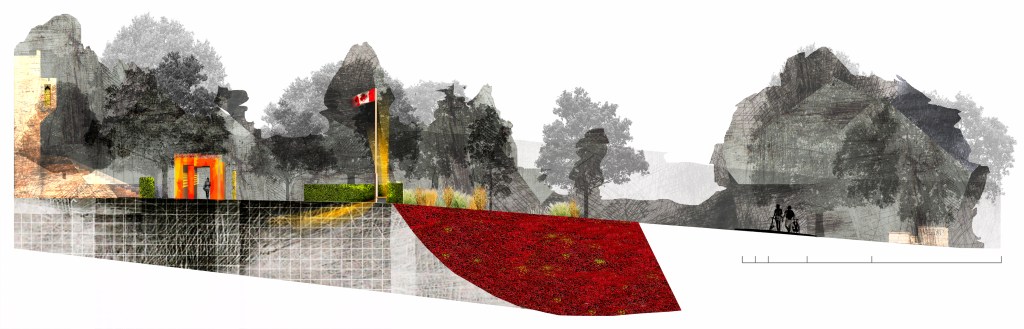
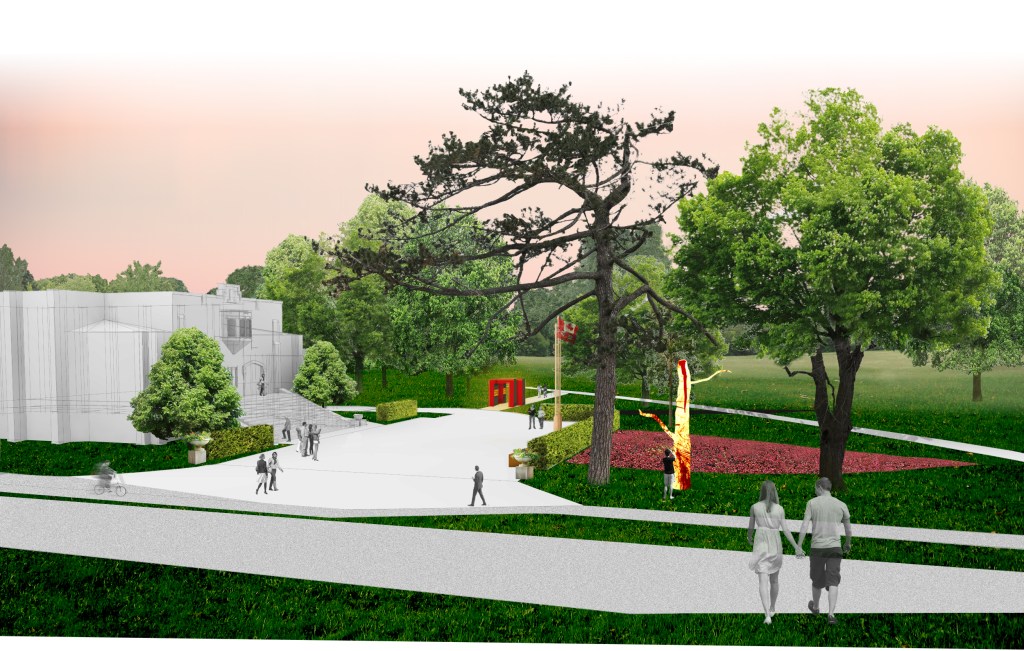
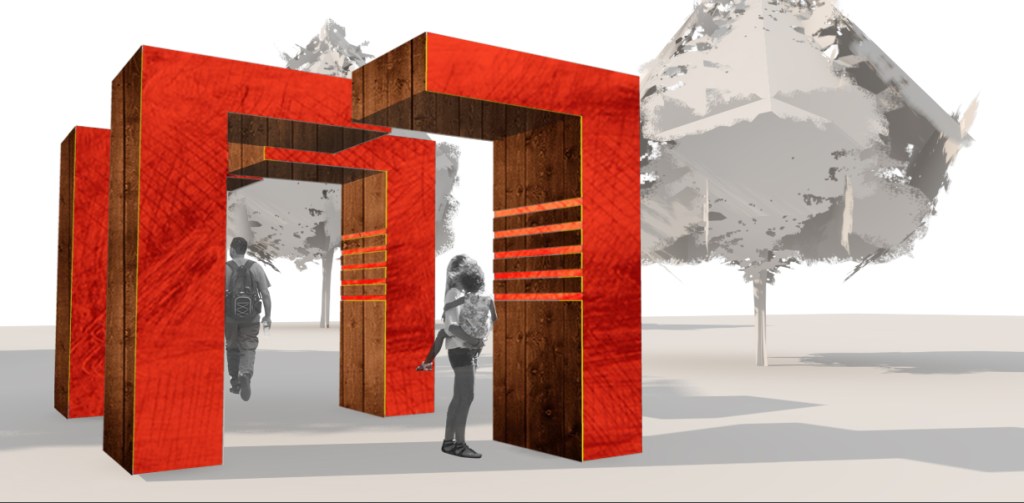
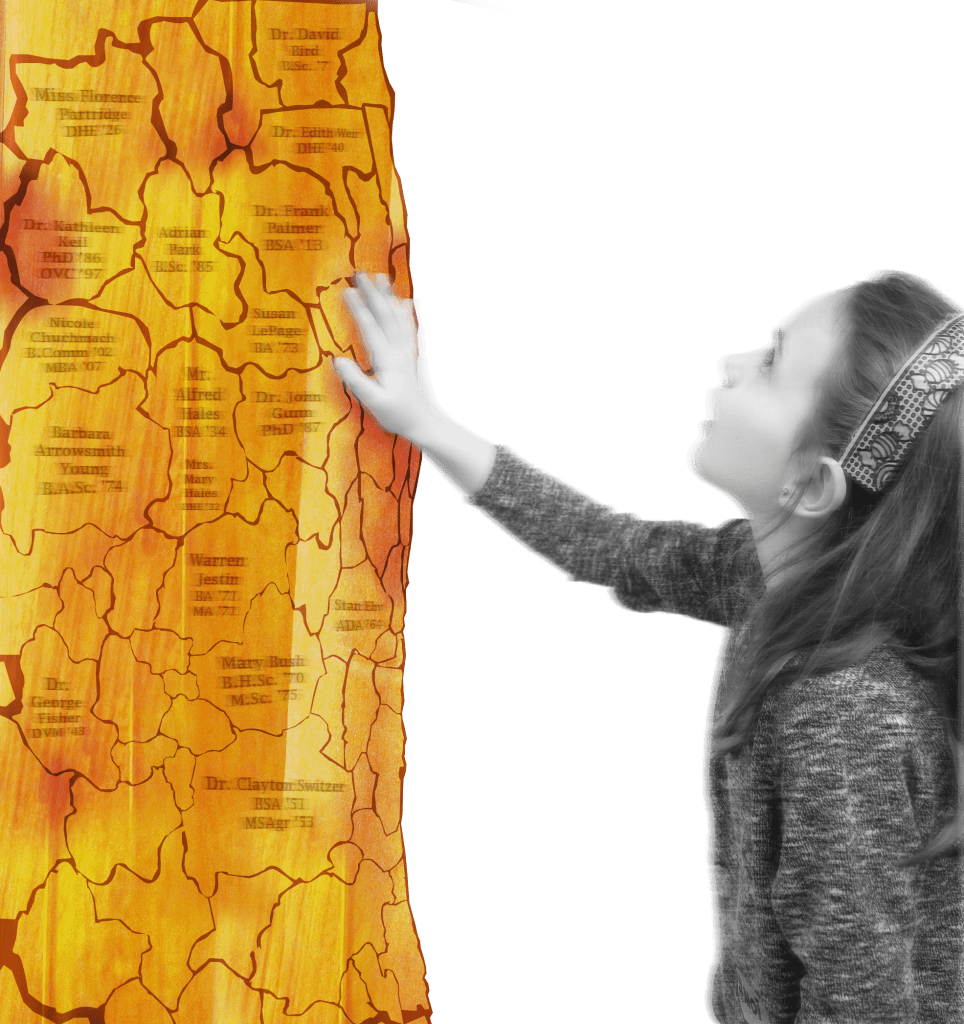
PUBLIC SPACE DESIGN: WAR MEMORIAL HALL PLAZA, UNIVERSITY OF GUELPH (2015): The proposed formal design for the War Memorial Hall plaza (Guelph, Ontario) emphasizes the building’s landmark status and its historical significance, while providing the opportunity to recognize the achievements of University alumni.The design generously responds to a variety of uses for the site: from grand convocation ceremonies to intimate memorials, while offering a more thermo-comfortable connected and larger space accessible to persons at all mobility levels. The design theme for the space, The Fire Within, is reflected in the overall colour scheme (the University’s red and gold colours), choice of plantings and the Alumni Tree sculpture. The Alumni Tree sculpture allows to commemorate the names of individuals who have received the University of Guelph Alumni Awards of Excellence in celebration of their achievements. The names are engraved on weathering steel plaques which form the “bark” of the sculptured tree. Split in the middle with a light installation representing a fire burning on the inside, the sculpture is a nod to history: in 1924 students forced the administration’s hand in choosing the Hall’s location by cutting down Norway spruces and digging the foundation in one night.
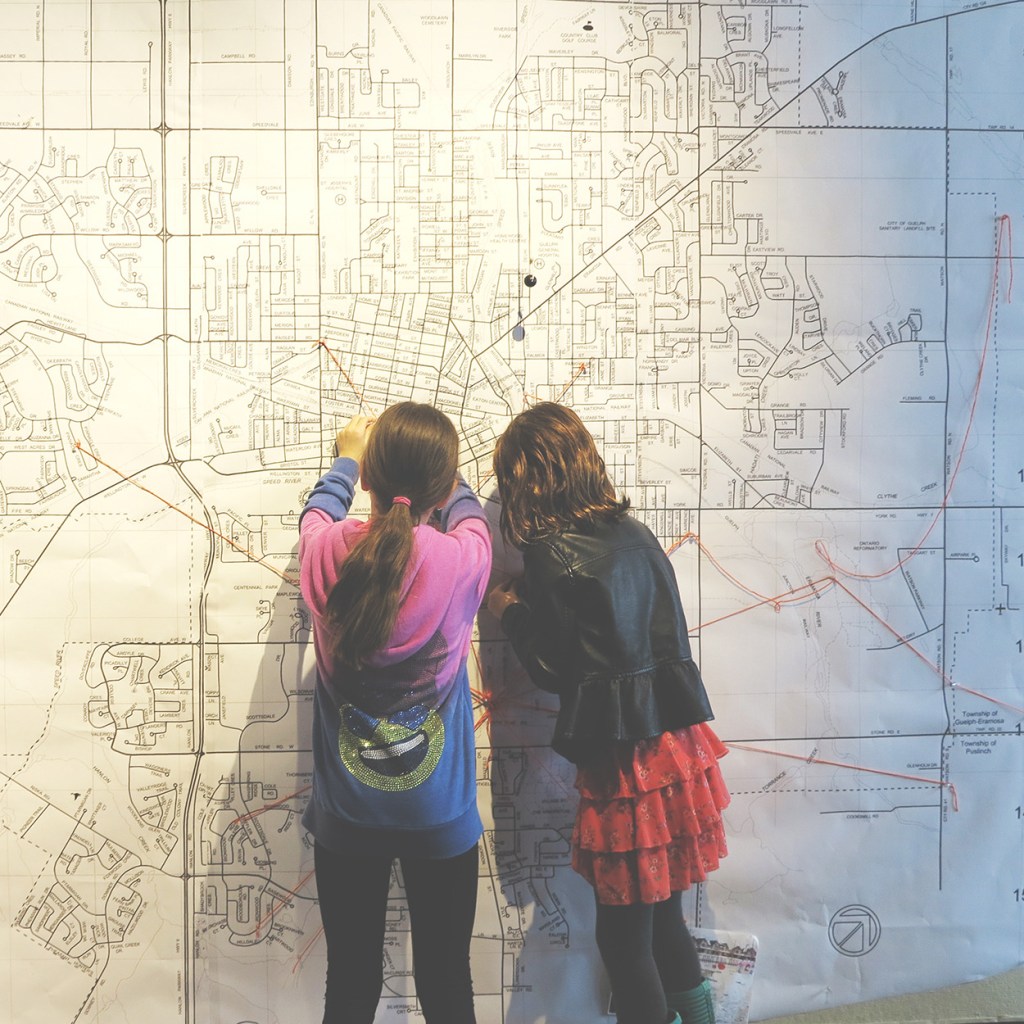
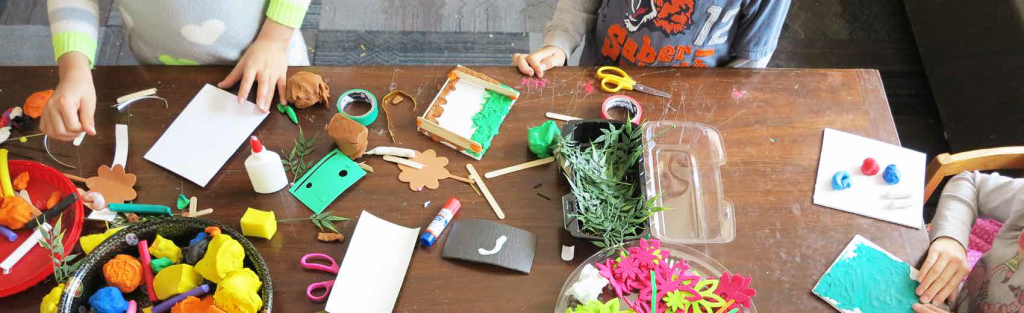
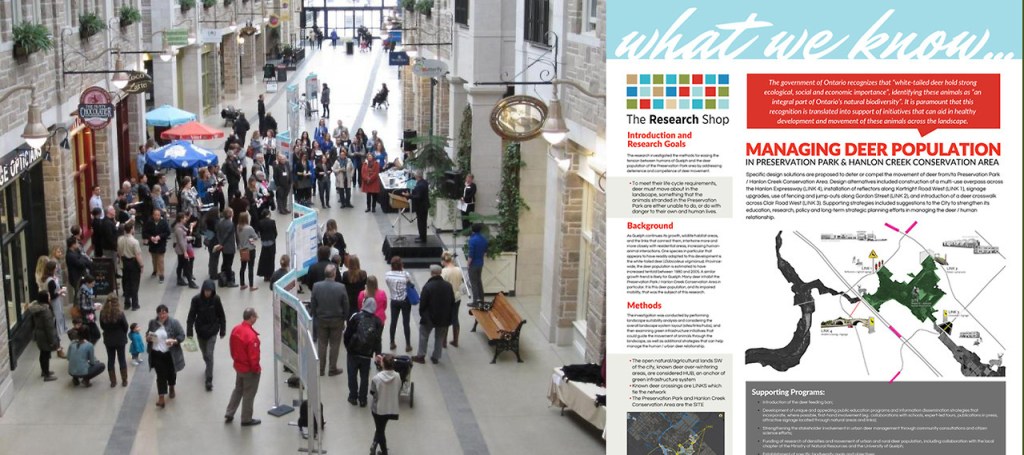
LA OPEN HOUSE EVENTS COLLEGE ROYAL, UNIVERSITY OF GUELPH (2017): In March 2017, along with Co-President of Landscape Architecture Student Society (LASS) at UoGuelph and volunteering students, I organized and hosted a College Royal open house at the SEDRD building. The events included building and studio tours, model-making, and drawing. An oversized map of Guelph was placed on the wall. Visitors were able to write and colour on the map, post stickers and notes, and mark the path from their home to UoGuelph campus by stretching a brightly-coloured string of yarn. The interaction with the map was largely unstructured and visitors were asked for no explanation as to the nature of marks they were making. Instead, the idea was to allow people to leave a physical trace on the map and view and ponder those left by others.


CELA ’18 LOGO COMPETITION: FINAL COMPETITION WINTER (2018): My origami-inspired submission for the 2018 Council of Educators in Landscape Architecture (CELA) conference was announced as the winner in April 2017. Origami instructions for a paper tree were the inspiration for the logo. The art of transforming paper into intricate creations served as a link to the CELA Conference’s tag line: “Transforming the Discussion”. The shape is also reminiscent of a speech bubble, a visual nod to the exciting discussions to be held during the Conference.
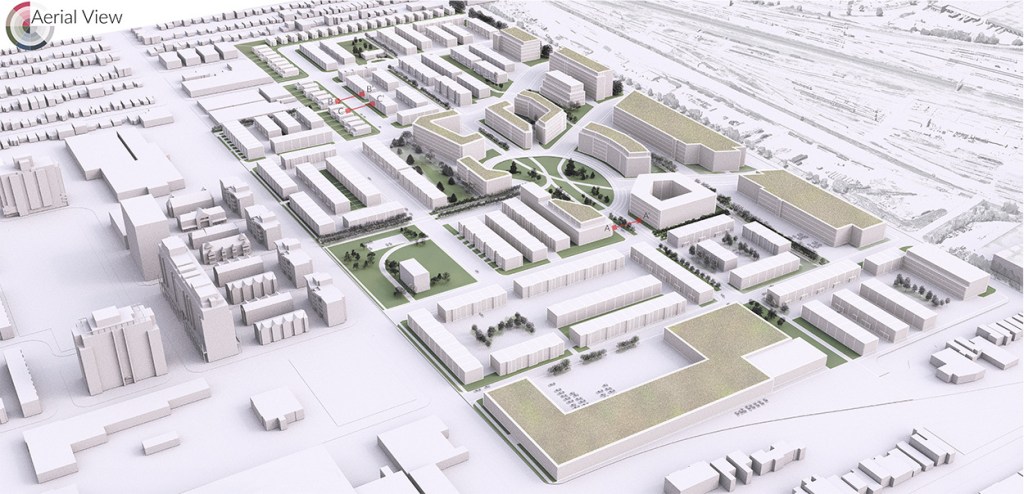
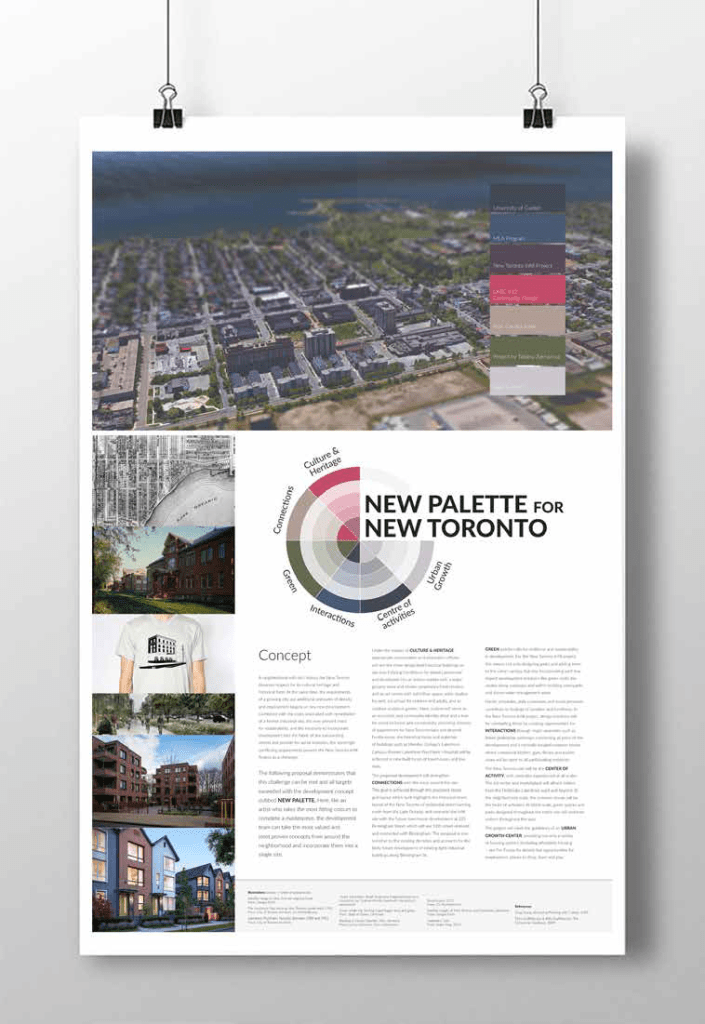
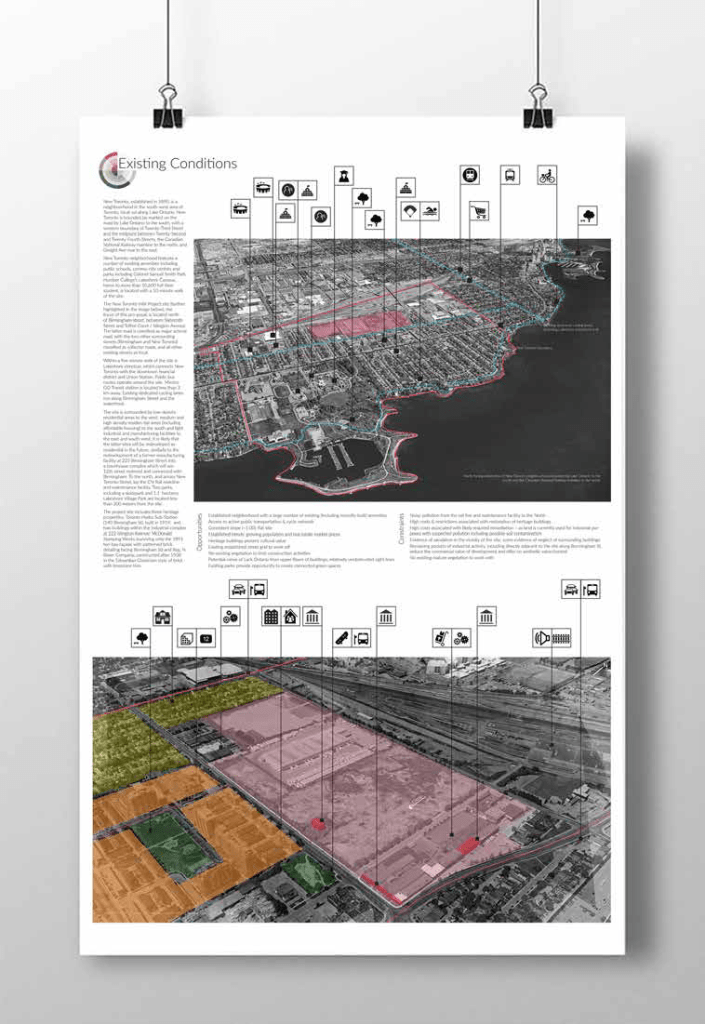
COMMUNITY DESIGN COURSE PROJECT: NEW TORONTO INFILL SITE (2017): The New Toronto Infill Site Project was completed as part of course work for Community Design course in the Spring of 2017. Following site and area analysis, I have concluded that a neighborhood with rich history like New Toronto deserves respect for its cultural heritage and historical form. At the same time, the requirements of a growing city put pressures of density and employment targets on any new development. Combined with the costs associated with remediation of a former industrial site, the ever-present need for sustainability, and the necessity to incorporate development into the fabric of the surrounding streets and provide for social inclusion, the seemingly conflicting requirements present the New Toronto Infill Project as a challenge. I suggested the challenges can be met and all development targets exceeded with the development concept I dubbed NEW PALETTE. Here, like an artist who takes the most fitting and brilliant colours to complete a masterpiece, we can take the most valued and most proven concepts from around the neighborhood and beyond and incorporate them into a single site. NEW PALETTE FOR NEW TORONTO includes tools and ideas under the themes of of culture and heritage, connections, green and low-impact development, interactions, centre of activities and urban growth.
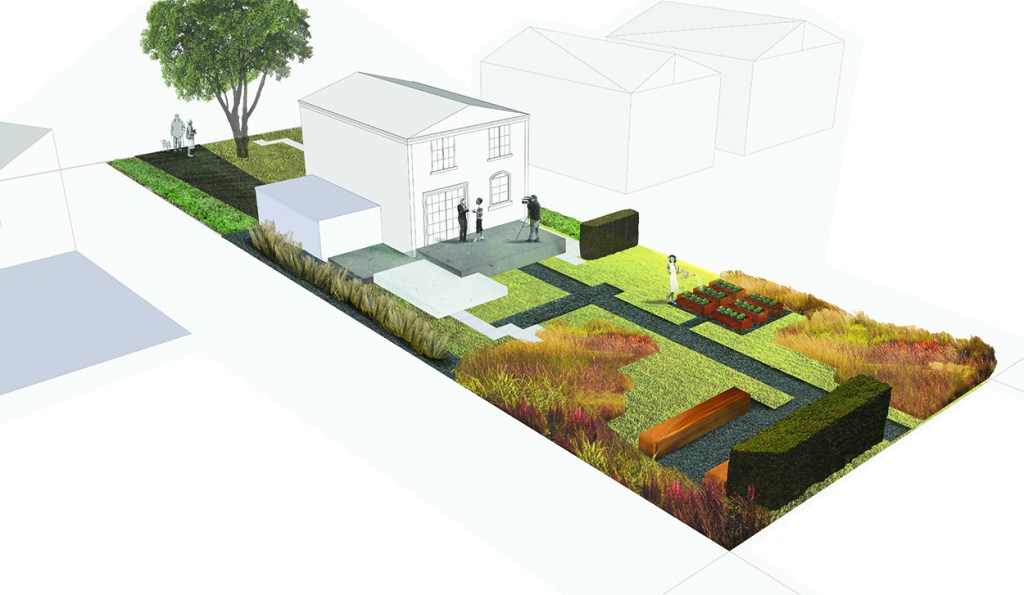
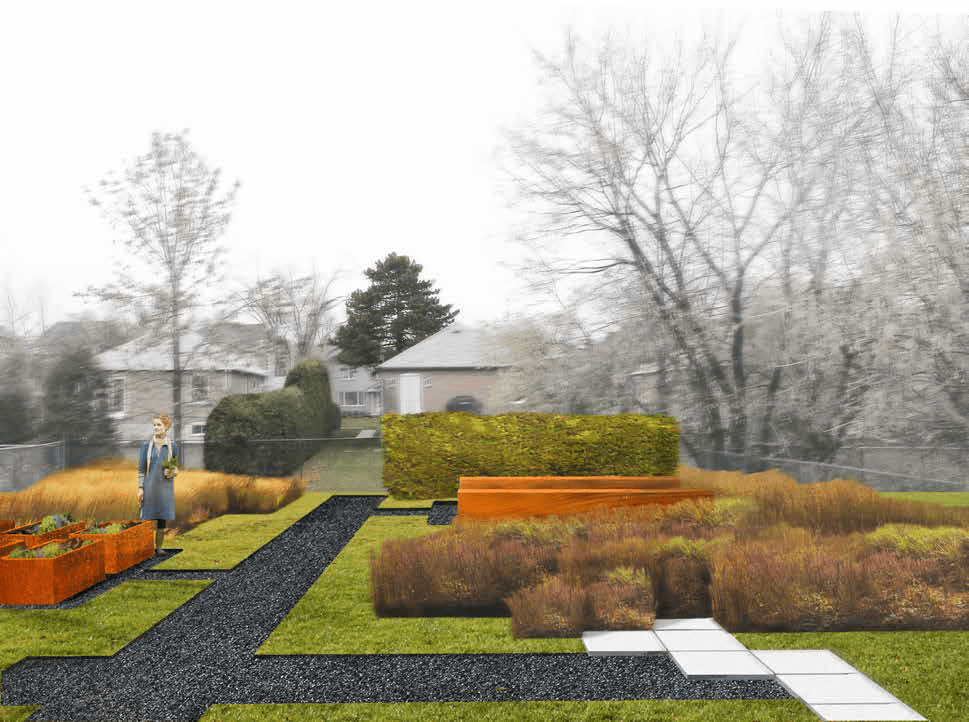
RESIDENTIAL DESIGN: PRIVATE RESIDENCE (2015): The proposed design of residential property in Toronto aims to create sustainable and low maintenance outdoor space. In the backyard, a combination of native grasses, hedges and lawns forms an outdoor oasis. A multi-leveled patio space around the house provides space for relaxation and entertaining, and space for a tool shed and outdoor work sur-face. An additional seating area in the back of the yard offers an opportunity for residents and guest to travel through the property and congregate in a nature’s alcove of hedge, grasses and trees. A unity between front and backyard spaces is creates through the use of modern architectural tiles in crisp and clean natural white finish. The dark crashed gravel path runs through the entire backyard highlighting its generous size and setting the tone for the design’s simple and ordered geometry. The path is also an infiltration trench connected to the rain garden that stretches along the shady east side of the property along the exterior wall of the garage.
Community-focused projects
 TZG Portfolio