2025: This mini-doc captures the debut of re:materia’s exhi’pit at the May 2024 ECEBC Conference and shares insights from both participants and organizers. The exhi’pit invites viewers into a multisensory conversation about waste cycles, pedagogical responsibility, and the collective work of imagining more just and sustainable futures with and alongside children.
Sep 2024: One woman’s trash is a blog post written for ECPN on the event of loosing a large portion of the exhi’pit to regular maintenance work. The blog is available in written and audio formats.
re:materia exhi’pit is a participatory artistic installation and exhibition space launched at the Early Childhood Educators of BC (ECEBC) Conference in May of 2024. It is an invitation for early childhood educators and their allies across the province of BC to take up the difficult labour of disrupting the capitalist citizenship that supports the extractive cycle of consumption and waste production. Through artifacts, videos, photographs, interactive installations, and documentation, the re:materia exhi’pit offers visitors a space to rethink the familiar three Rs (reduce, reuse, recycle) approach, particularly in the context of ECE, and collectively engage in refiguring waste futures.
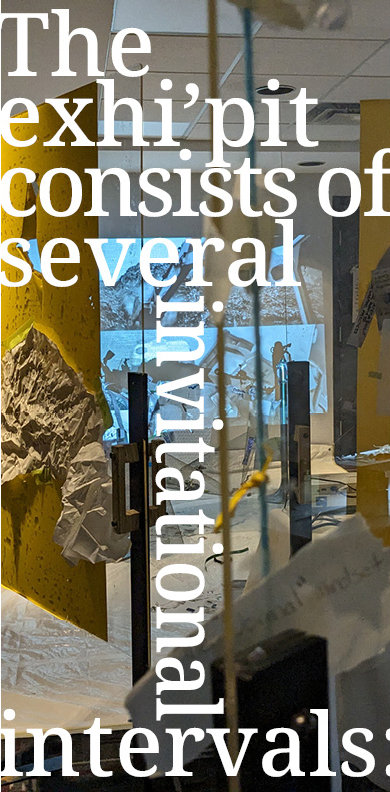
land acknowledgement in the context of waste practices // juxtaposition of waste and consumption // tangled with waste // waste as a material // waste in the context of ECE // becoming waste // documentation panels // conversational space //
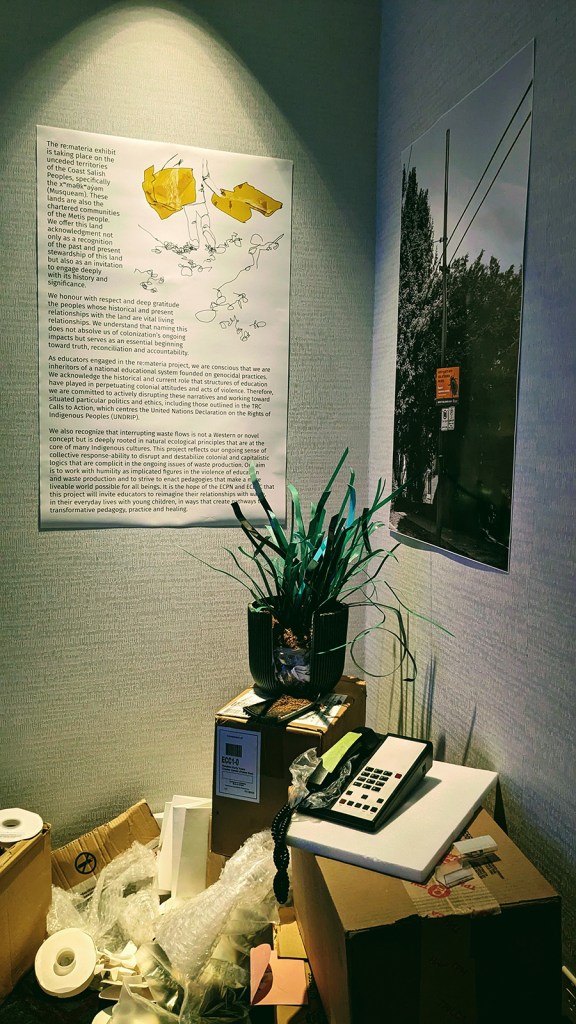
Land acknowledgement in the context of waste practices
As educators, scholars and artists engaged in the re:materia project, we are conscious that we are inheritors of an educational system founded on genocidal practices. We also recognize that interrupting waste flows is not a Western or novel concept but is deeply rooted in ecological principles that are at the core of many Indigenous cultures. This project reflects our ongoing sense of collective response-ability to disrupt and destabilize colonial and capitalist logics that are complicit in ongoing waste production. Exhi’pit includes a sculptural piece comprising elements that, when they come together, make it impossible for the acknowledgment of land to remain theoretical or abstracted: plastic strands planted in fresh soil are accompanied by a public announcement warning against the removal of contaminated soil, while a phone invites participants to consider what it might mean to report a beetle.
Juxtaposition
of waste and
consumption
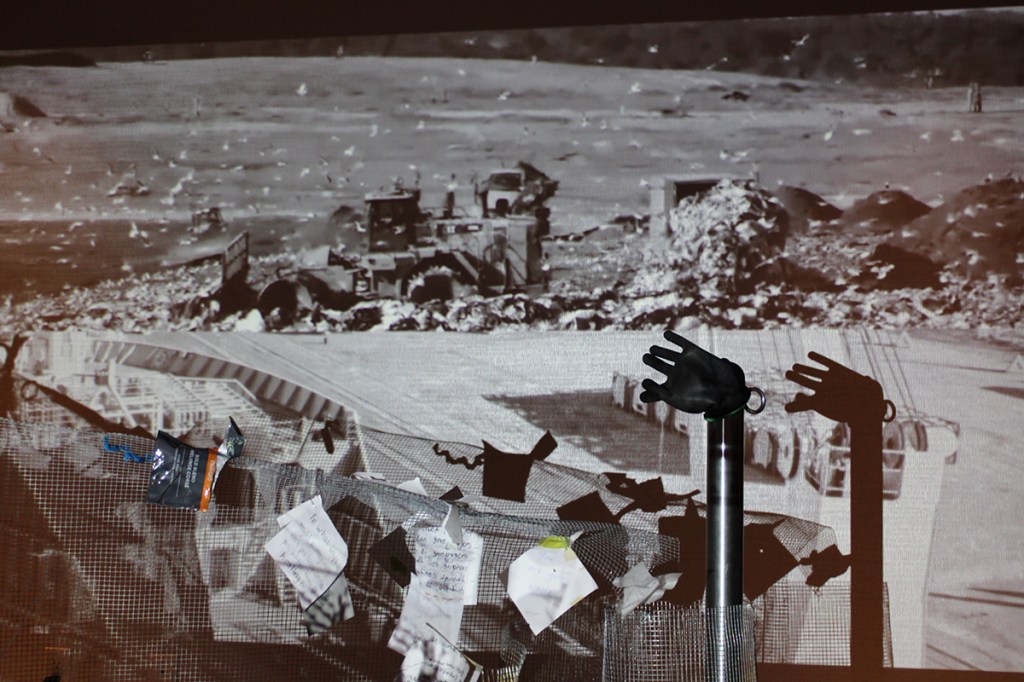
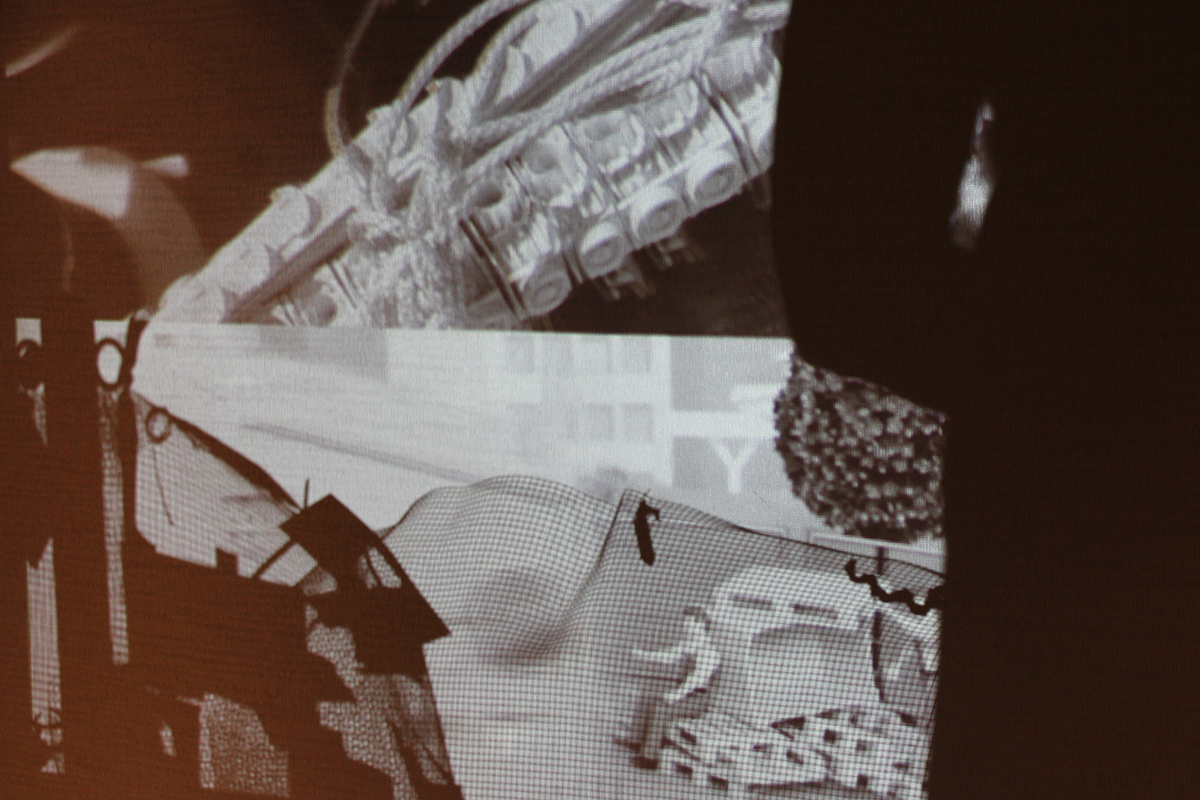
A black-and-white video installation draws participants’ attention to the relationship between the planetary-scale waste crisis and the logics of capitalism, consumption, extraction and hyper-individualism. The film, composed of video excerpts, weaves visual stories: an Ontario town concerned about becoming a nuclear waste site, a shipping port in Vancouver, drone footage from waste-management industries and sites around the world, luxury-brand ads, the fast-fashion industry, production lines of consumer goods, ads listing holiday paraphernalia created with the use of crude oil, animated three Rs educational videos, young children play-shopping, workers and goods moving through online retailers’ warehouses and shipping facilities, researchers tracing microplastics in marine life, birdwatchers at a landfill, social media influencers, women sorting waste in one of Delhi’s largest landfills, garbage trucks and container trucks, and so on in looped perpetuity. The video is accompanied by a soundtrack of audio clips from a waste transfer station layered over sounds from a Vancouver-area shopping mall.
Tangled with waste
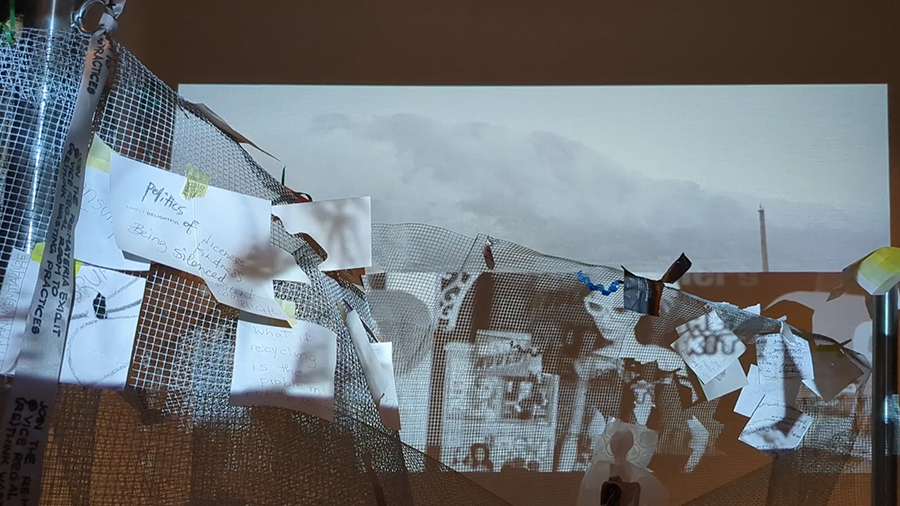
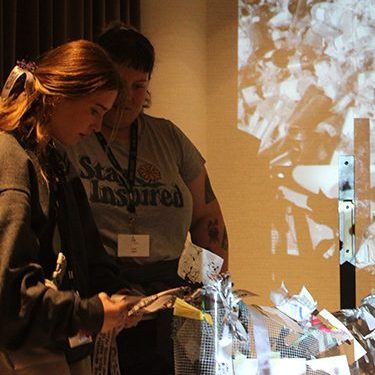
A gnarled wire piece sits at the centre of the space as an insistent invitation for visitors to interweave and intervene into waste logics. The contorted wire becomes a meeting space of organic and industrial, ideas and questions, refuse and refusal, light and capture, intimacy of small moves and mass of scale.
Waste as material
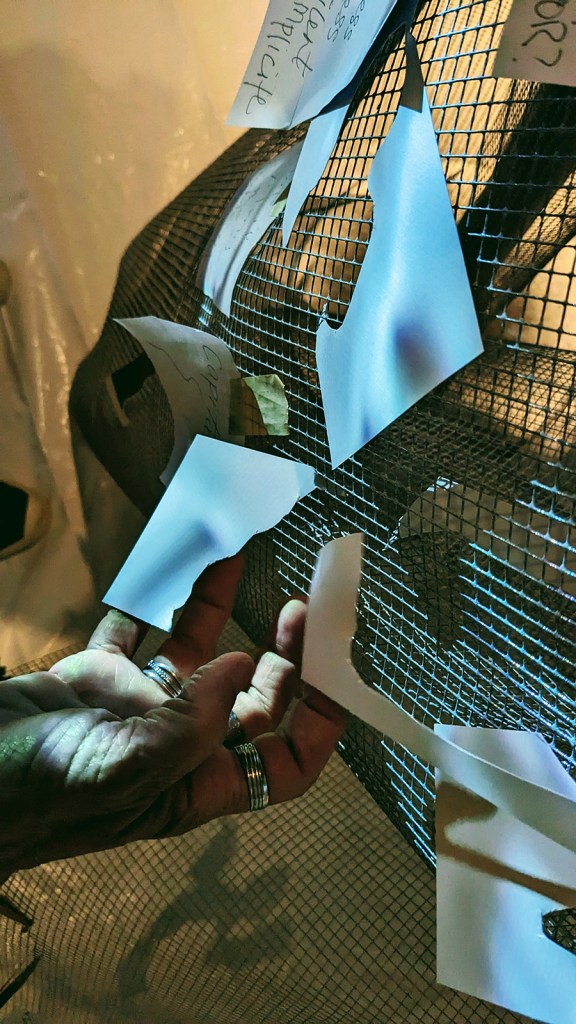
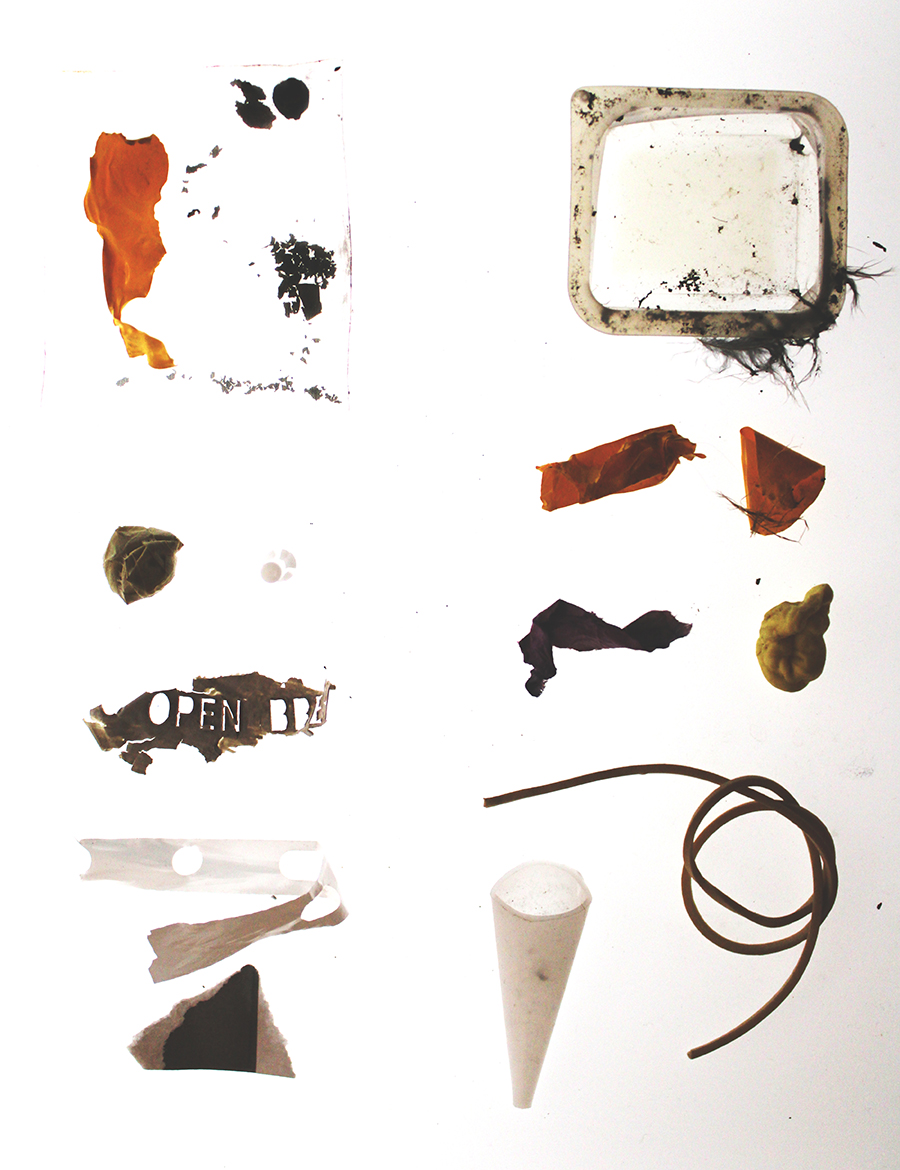
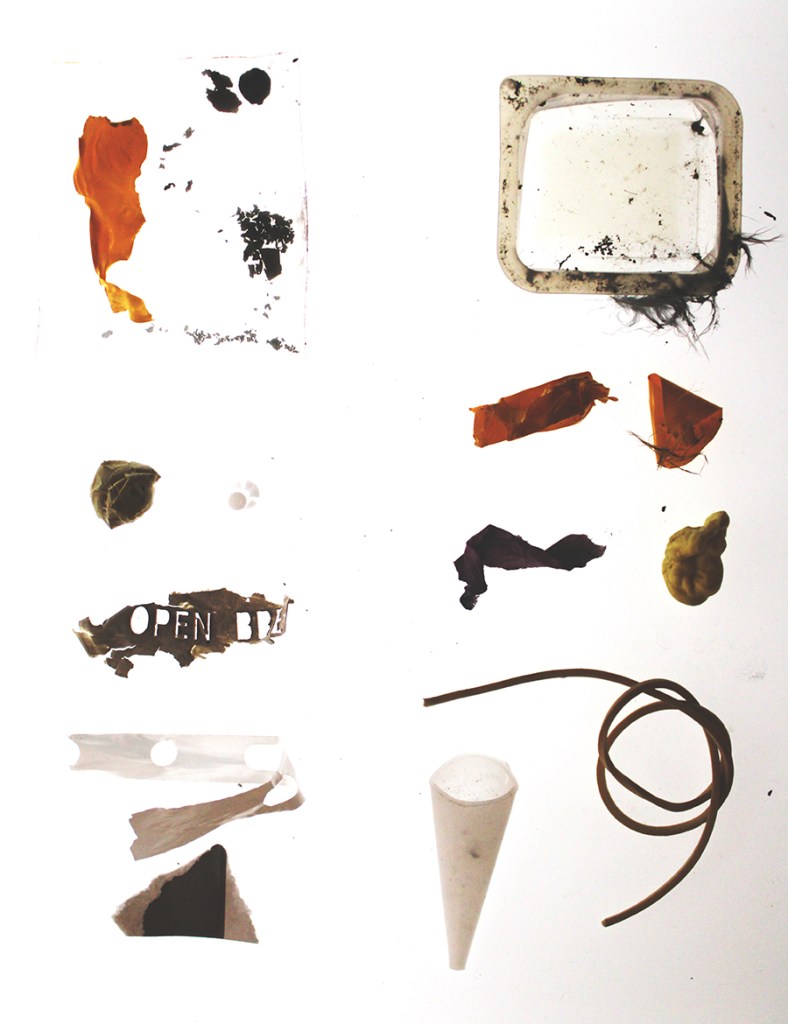
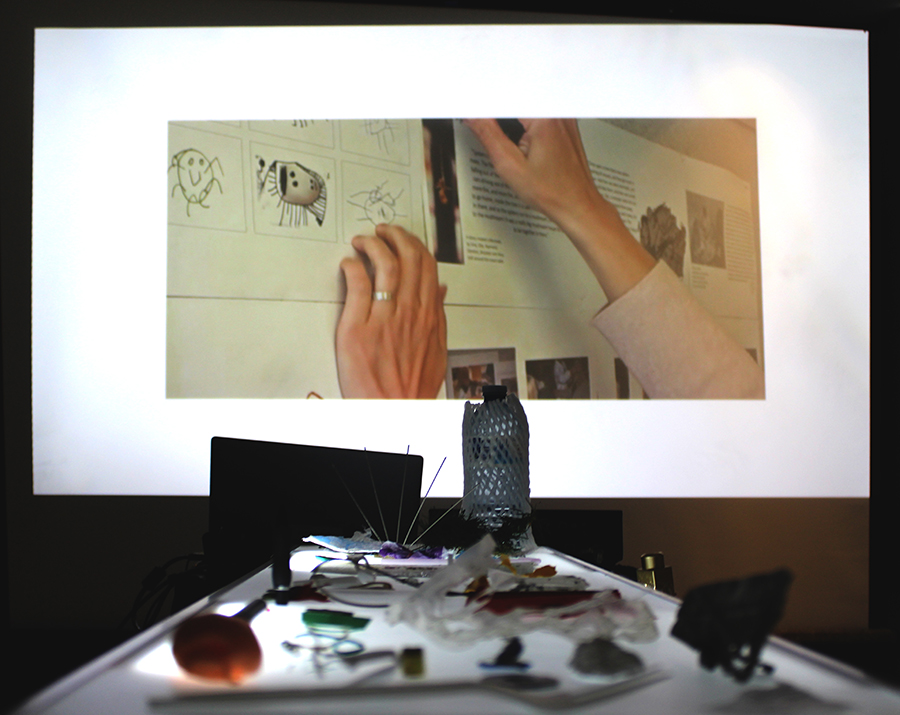
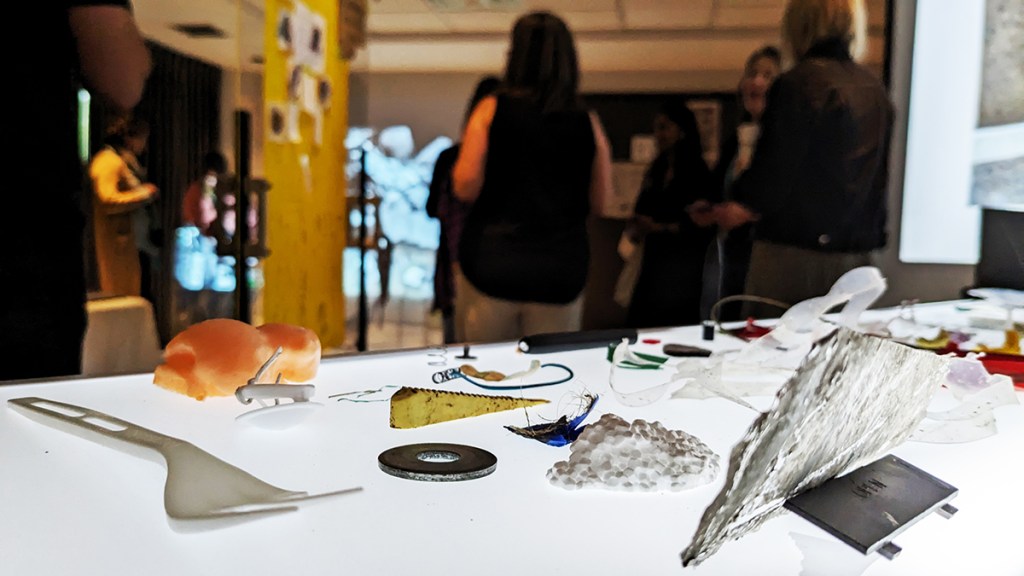
A curated collection of waste materials invites careful examination and wonder. The collection is rotated throughout the day, and participants are invited to add to and subtract from its composition. For instance, a participant might contribute a disassembled pen, commenting on how waste is created in the name of “good” as she has used the pen to take notes in her learning.
Waste in the context of ECE
This visual essay is composed of images depicting moments of waste production in the context of early childhood education.
Becoming waste
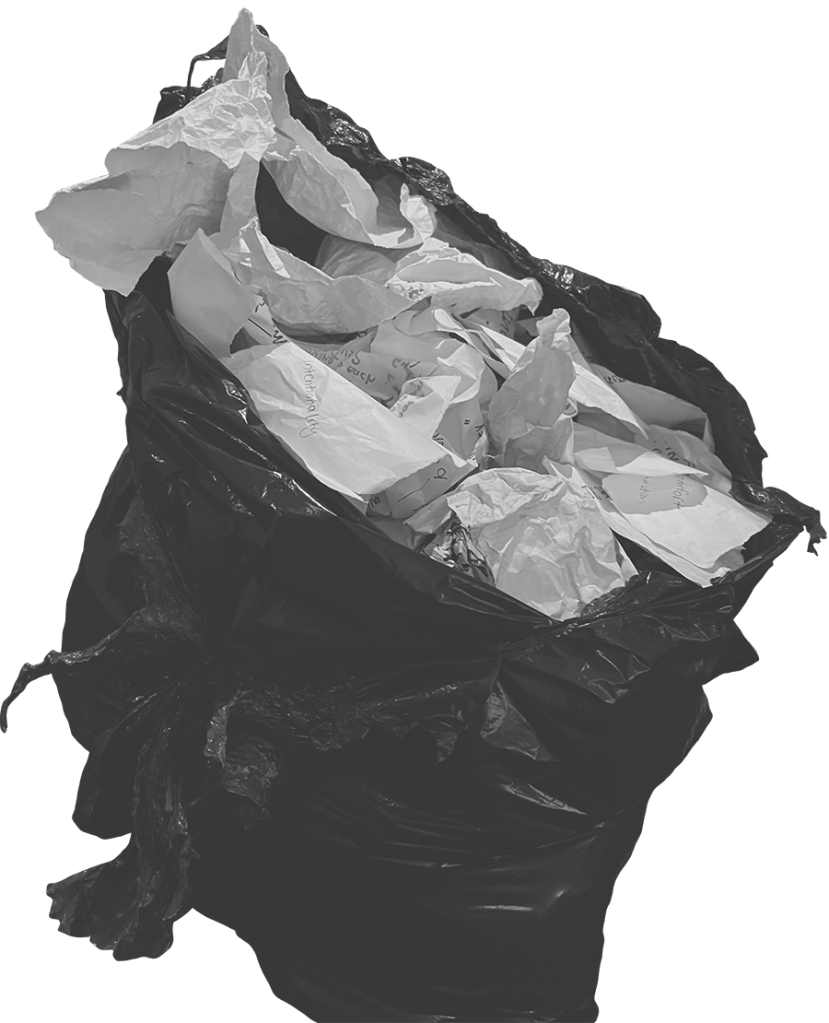
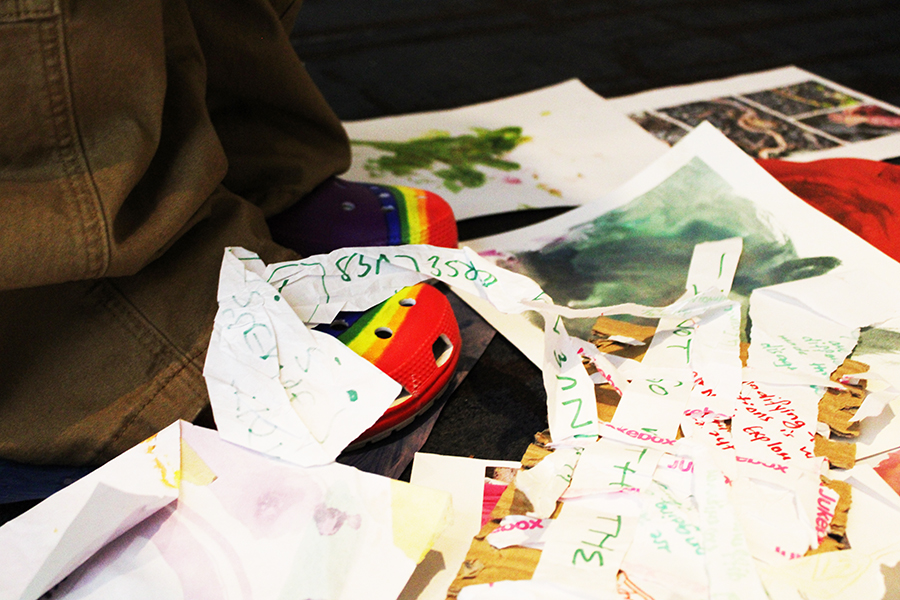
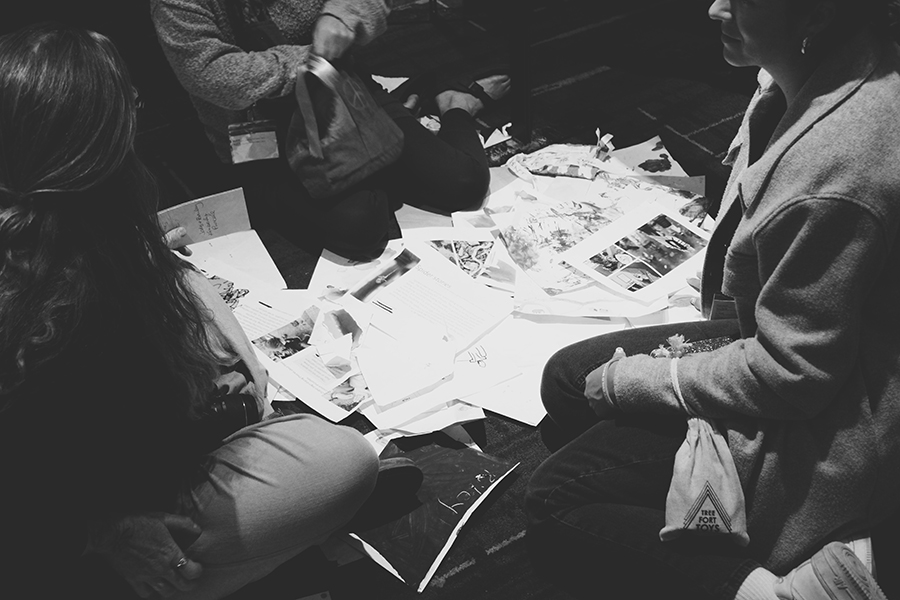
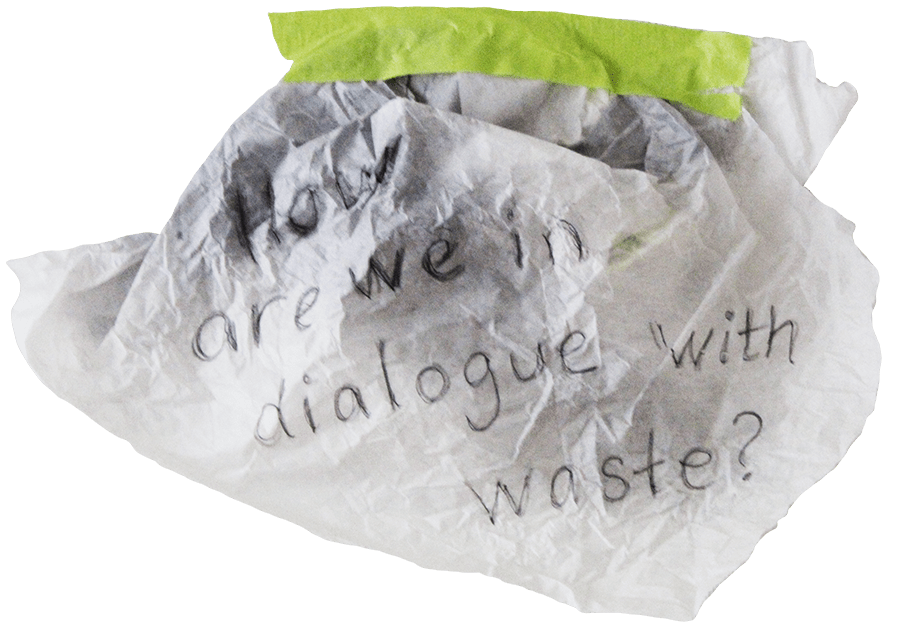
The proposition was opened by ECPN pedagogist Rachel Phillips, who collects children’s discarded artwork and pedagogical documentation scheduled for waste and recycling bins and scatters them on the floor of the exhibit space. Visitors are invited to walk on the pieces of paper that blanket the floor as they consider how waste is produced through their own practices, the shifting line of becoming waste, and the perspective-taking and subjectivity of waste-making. The companion piece includes a garbage bag filled with student work removed from the classroom and studio at the end of a semester, as an invitation to witness the composing of waste knowledges.
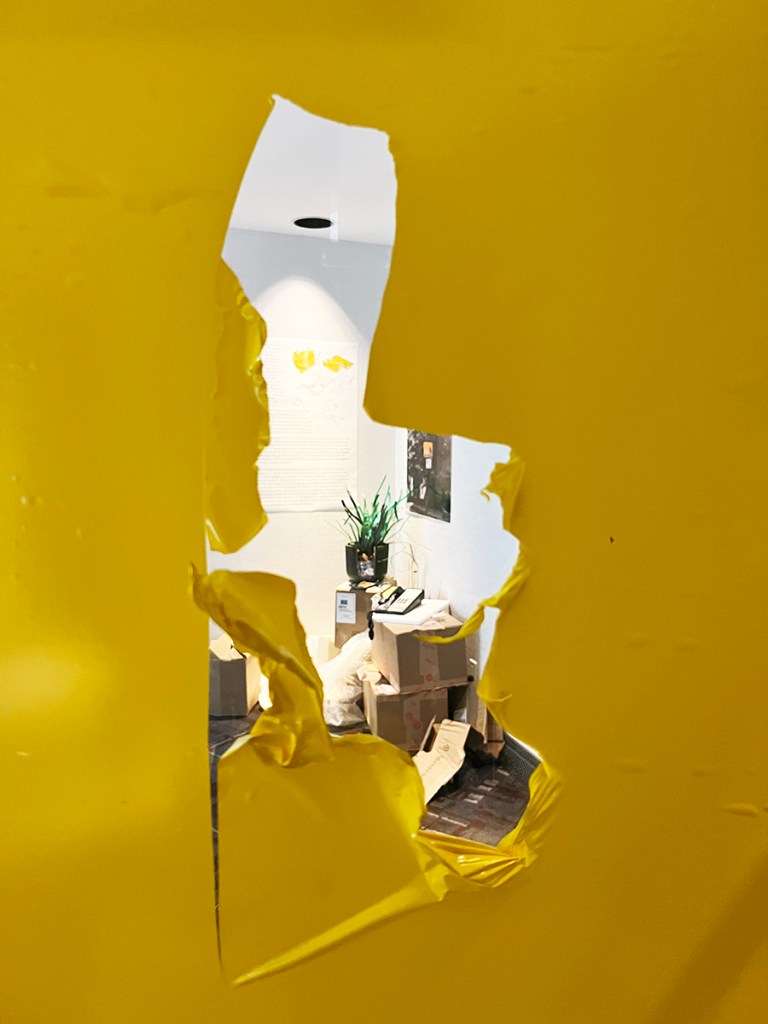
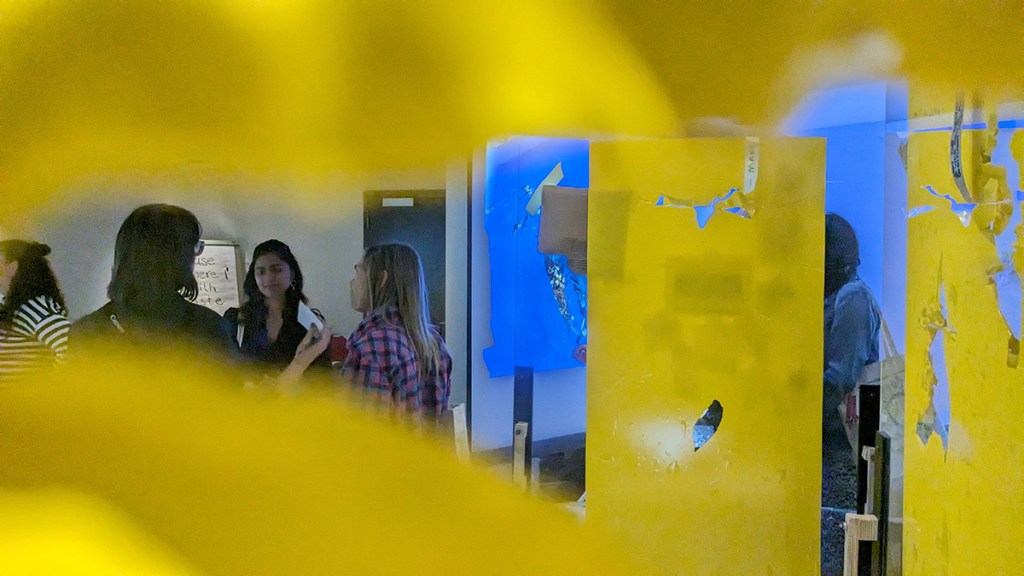
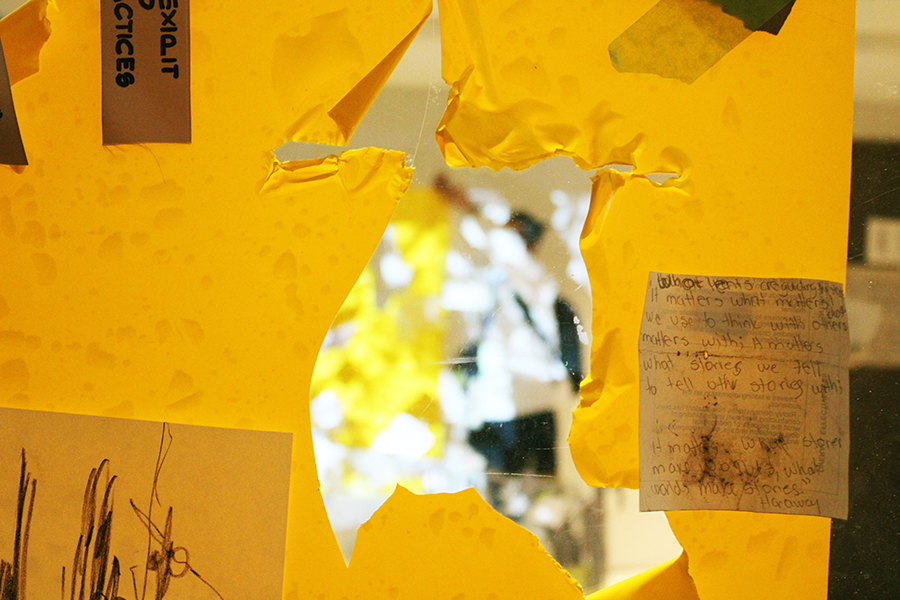
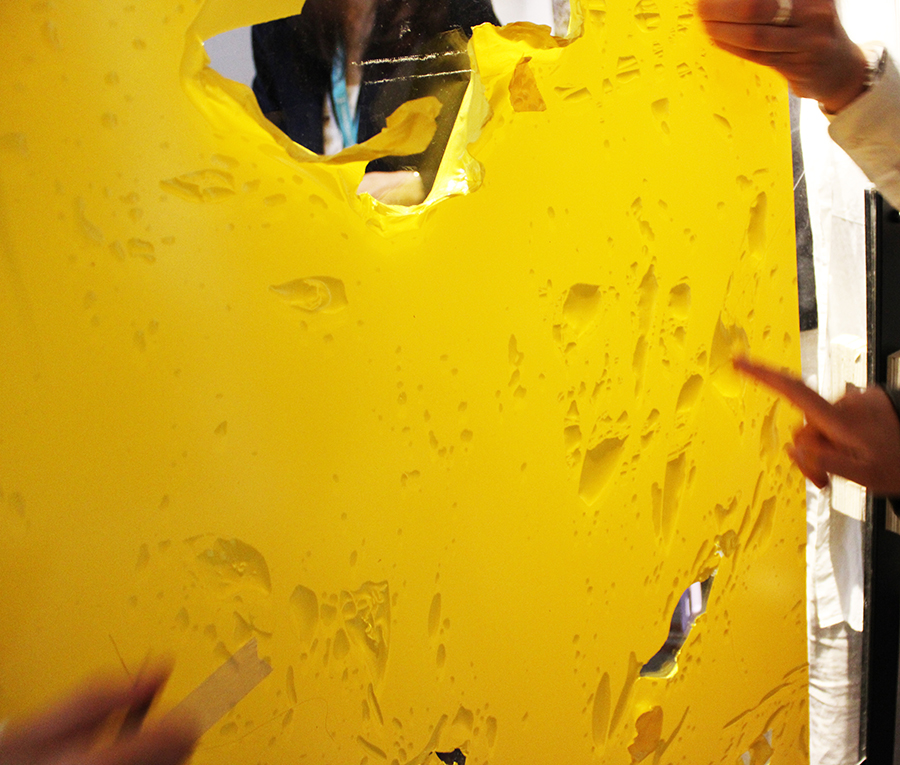
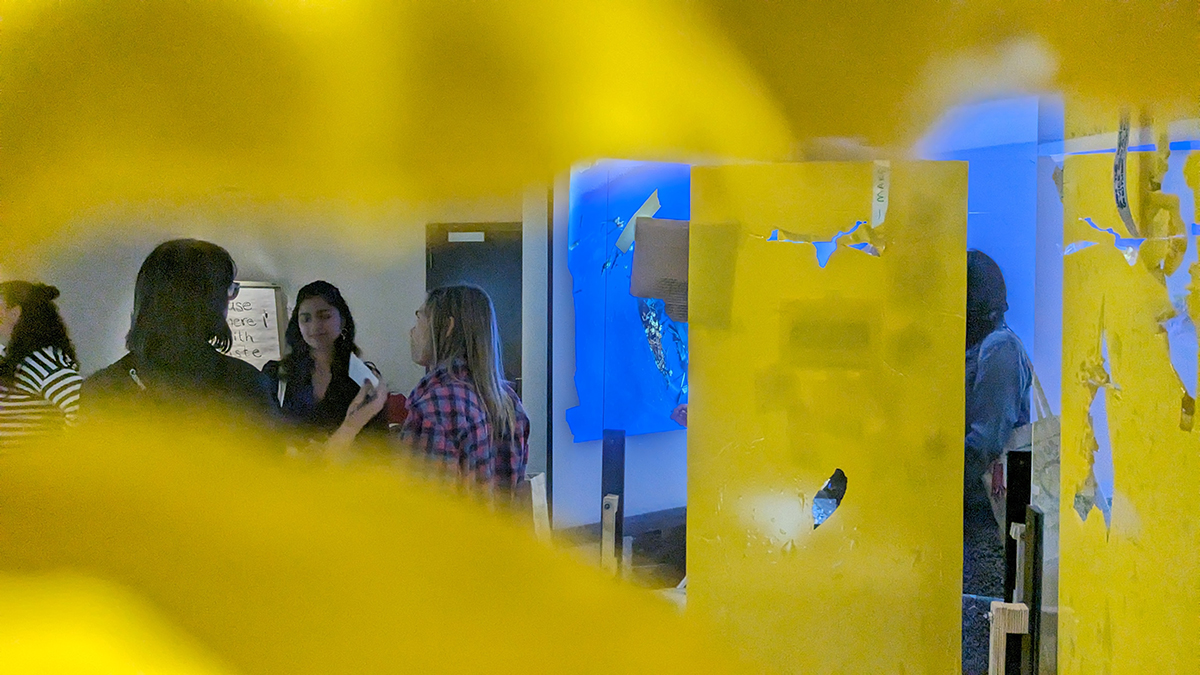
Five documentation panels invite exhi’pit participants to document their own and others’ engagement with waste. The plastic panels, framed as doors with wooden handles and holes ripped in their vinyl facades, were created as a visual nod to the work of Zoe Kreye (2023), who writes: “I know about lots of things I’ve never seen. And so do you.” Kreye’s installation of fabric and sculptural objects at Kamloops Art Gallery fuelled the speculative portals project carried out by ECPN pedagogist Teresa Smith alongside young children in a local after-school program. Traces of ideas, critical reflections, sketchy thoughts, questions and puzzlements come together to compose participants’ engagement with political discourses of waste.
Conversational space
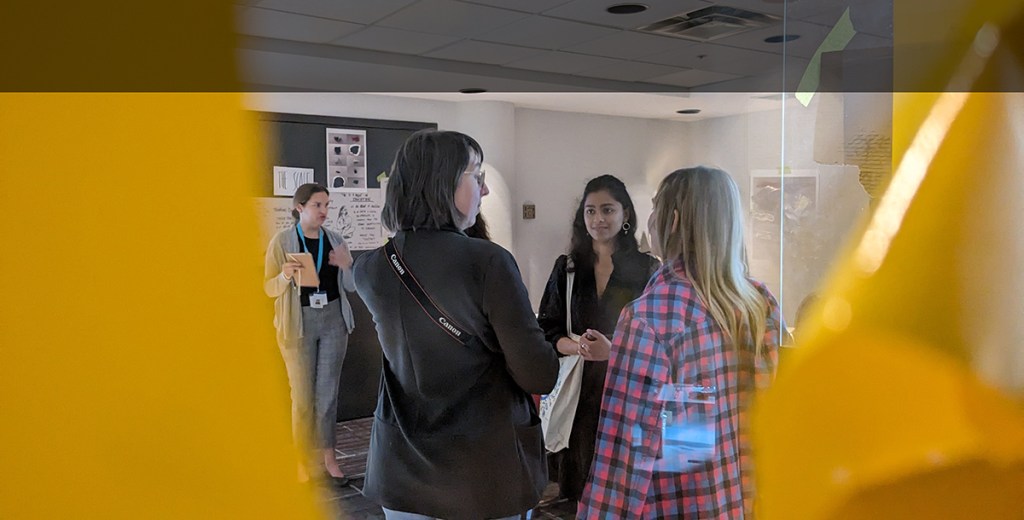
The participatory art space is typically hosted by an atelierista and a pedagogist. Visitors are invited to engage in conversation with the hosts and are welcome to bring their local questions about waste practices to think in collaboration with others. The exhibit is created to allow for things and ideas to move, travel and emerge anew. We design spaces, experiences and provocations for diverse audiences to engage with.
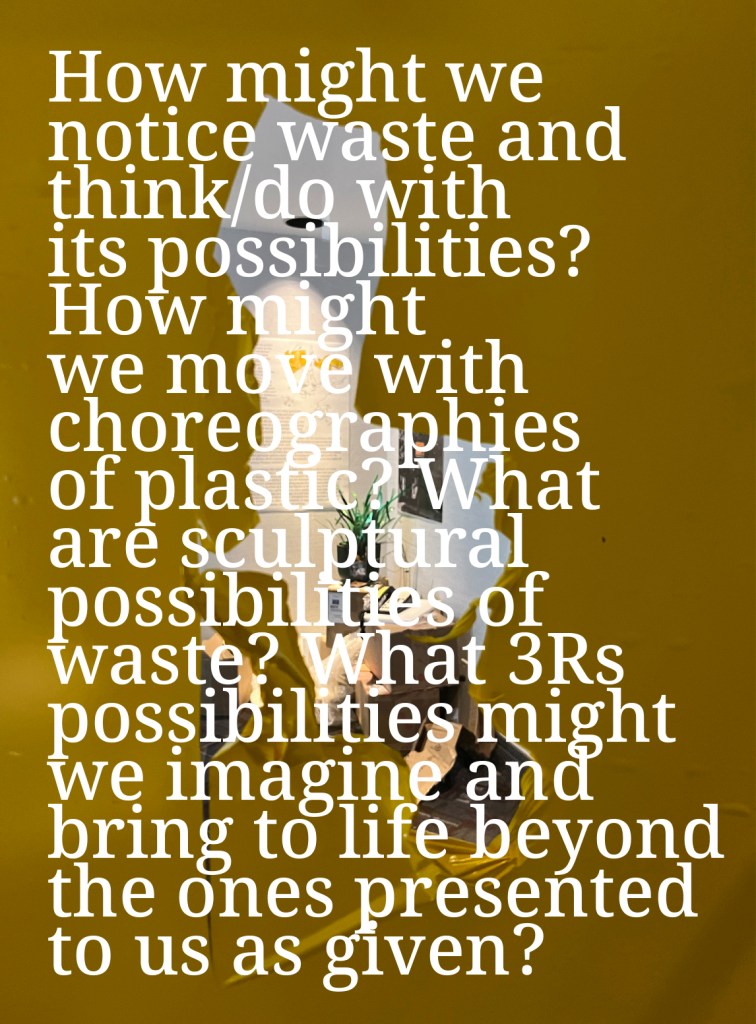
What does it mean
to be done (with waste)?
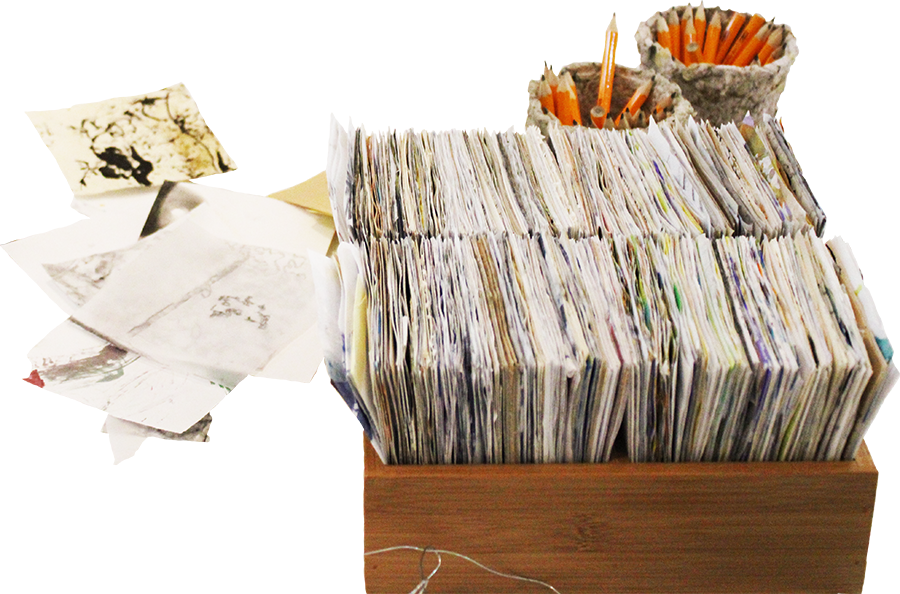
Over 1,000 squares were hand-cut from discarded course assignments and artistic works completed by postsecondary students. The participants are invited to partake in a tea making and consuming ritual as they reactivate discarded paper pieces with tea. As tea is spilled, the marks on paper and the paper itself are brought into contaminating sculptural possibilities.
The installation is hosted by the re:materia program, a partnership between the Early Childhood Pedagogy Network (ECPN) and ECEBC that invites early childhood educators to creatively and critically reimagine pedagogical processes and curriculum making around waste. In addition to the exhibit, the re:materia program offers the course “Waste-as Material: Reimagining the Early Childhood Education Classroom,” which sets a framework for understanding waste materials as active participants in early childhood education (ECE) and provides support to educators to think and converse with their colleagues to reimagine waste flows in local contexts. re:materia is grounded in critical social and ecological justice frameworks.
The exhi’pit was curated by Tatiana Zakharova-Goodman, atelierista and instructor at Capilano University’s School of Education and Childhood Studies, in close collaboration with the re:materia program’s scholars, pedagogists, educators and administrators, including: Veronica Pacini-Ketchabaw, Emily Gawlick, Tracy Barkman, Tanya Makasoff, Rachel Phillips, Denise Hodgins, Teresa Smith, Sue Irwin, Kathleen Kummen, Melanie Walters and Kerry Watts. The project was inspired, in part, by the Remida cultural project on sustainability, creativity and research on waste materials in Reggio Emilia, Italy
You can read more about the exhibit in the re:materia catalogue hosted by ECPN
 TZG Portfolio