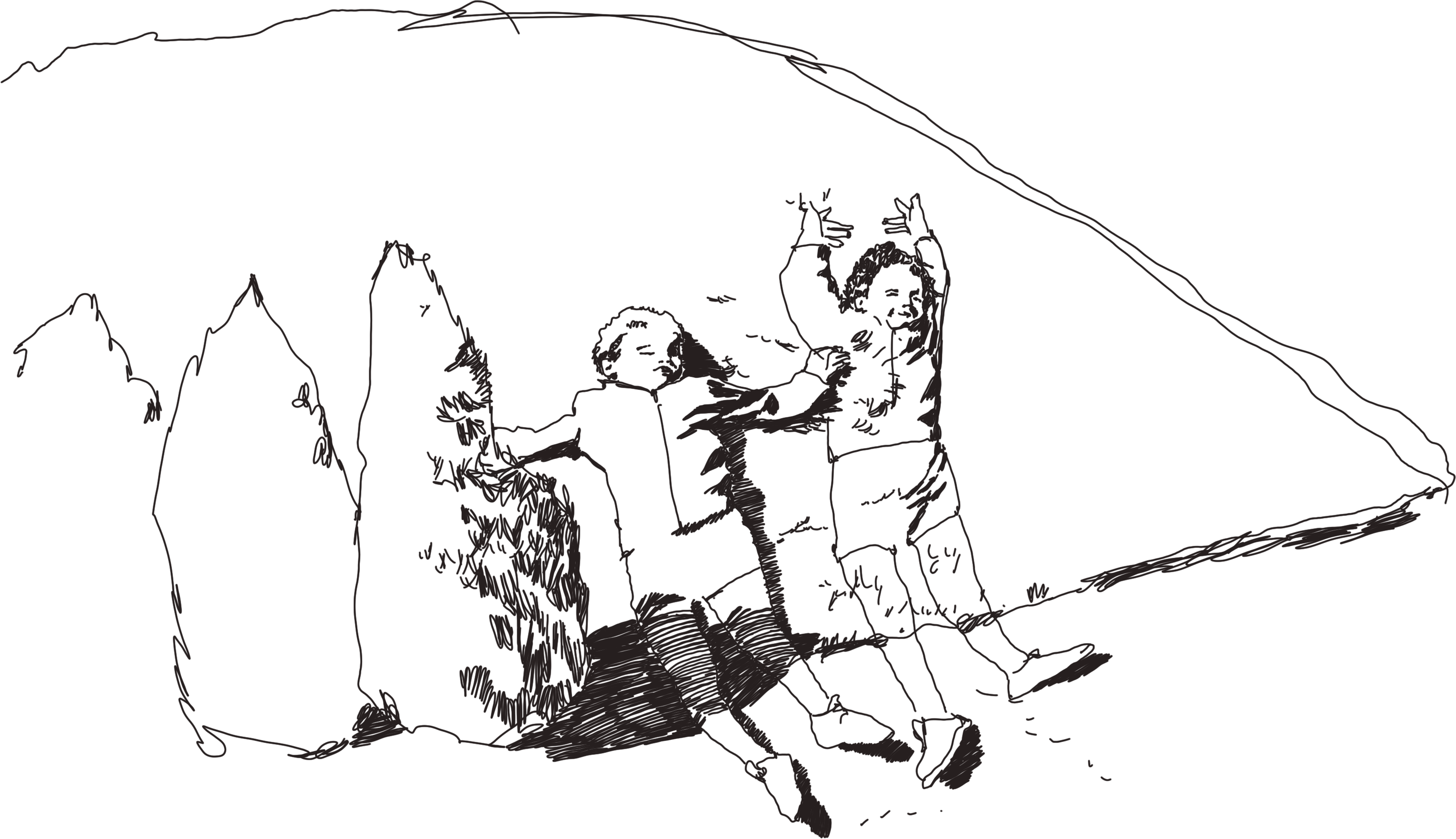
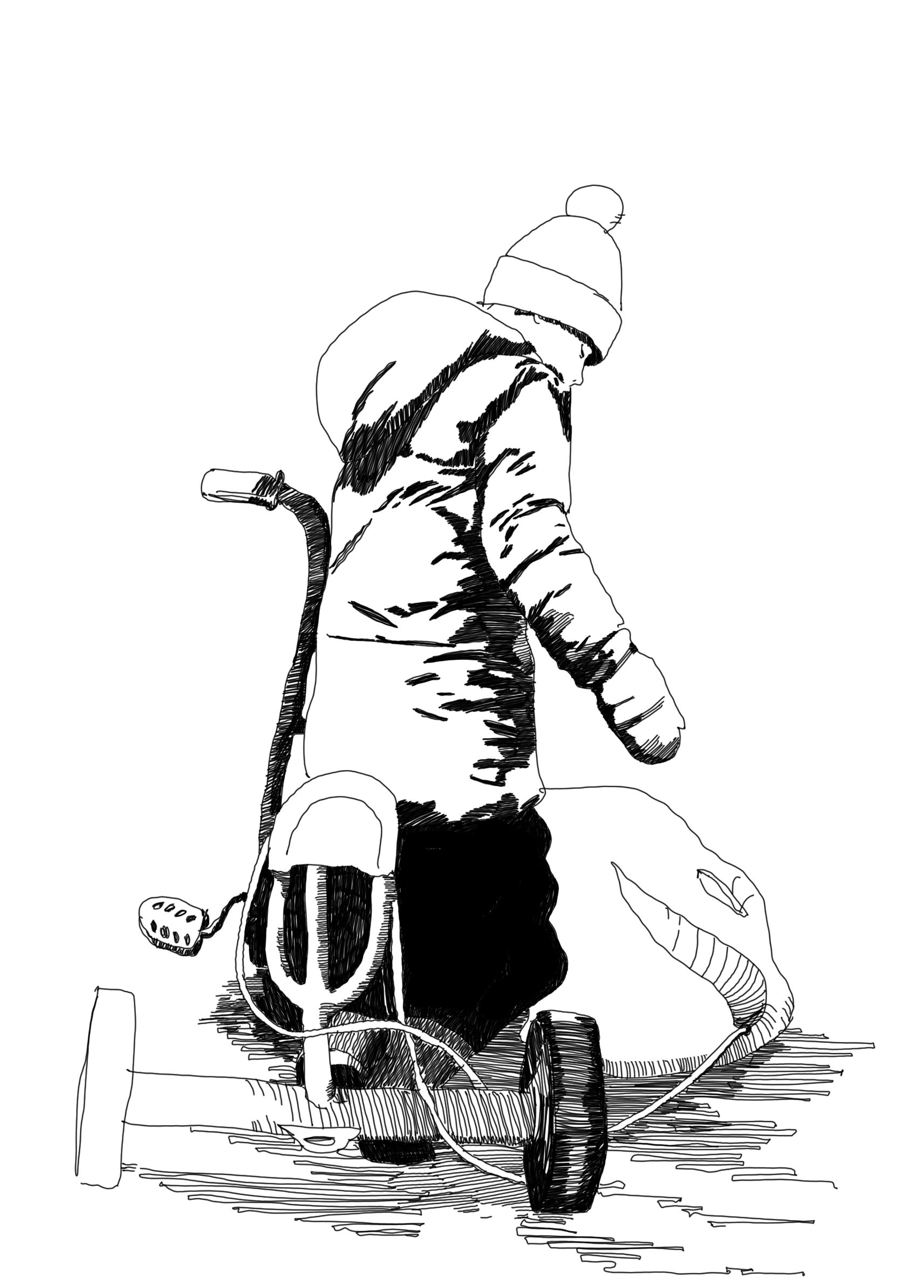
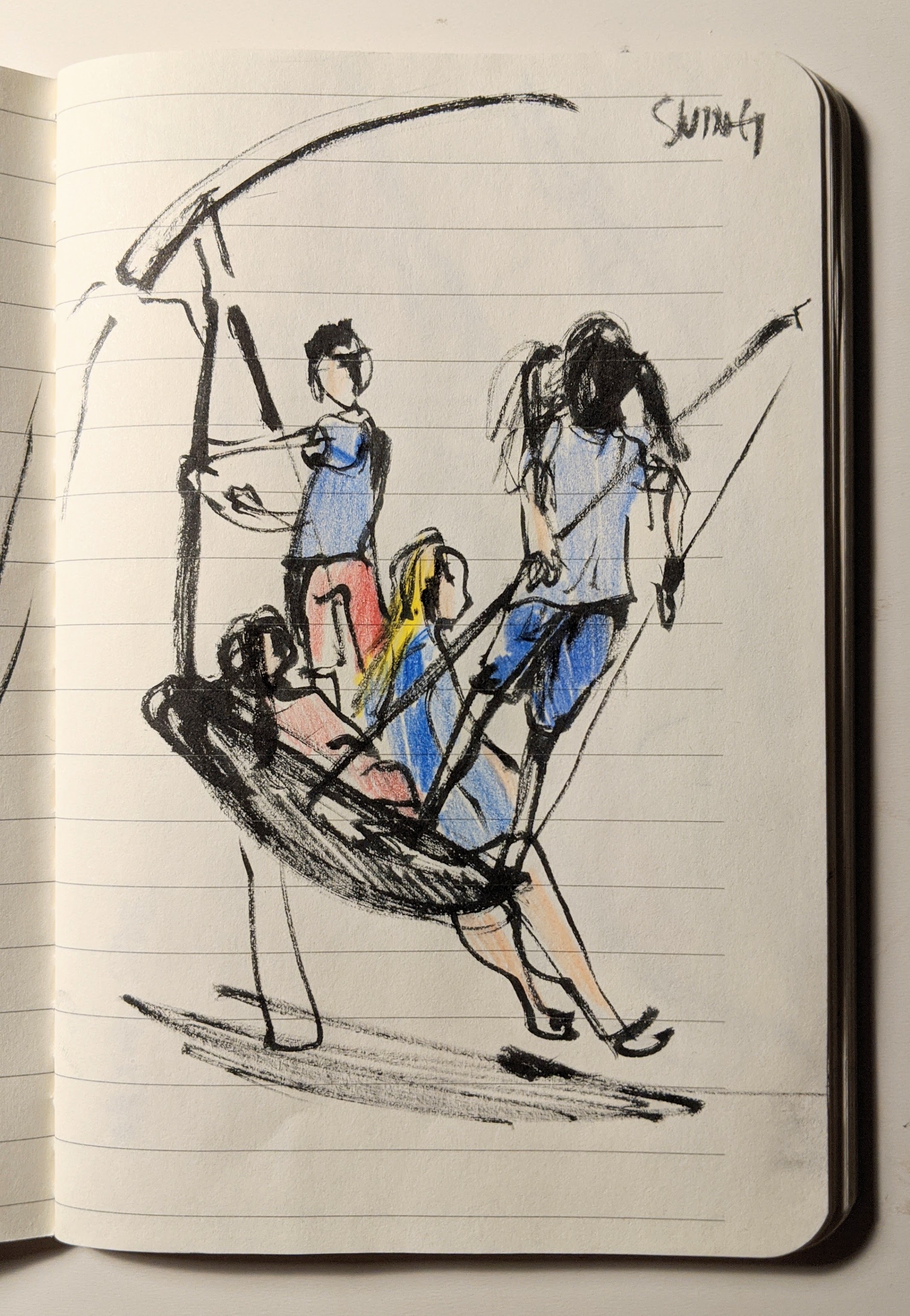
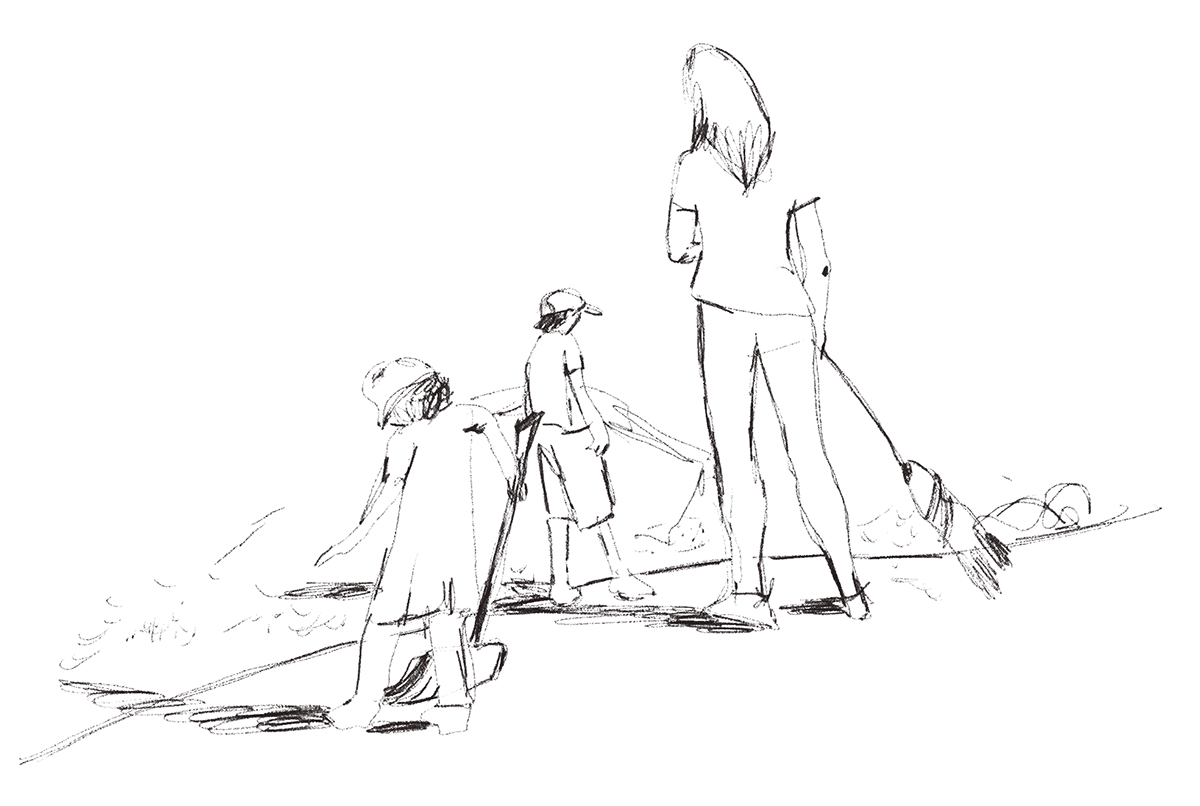
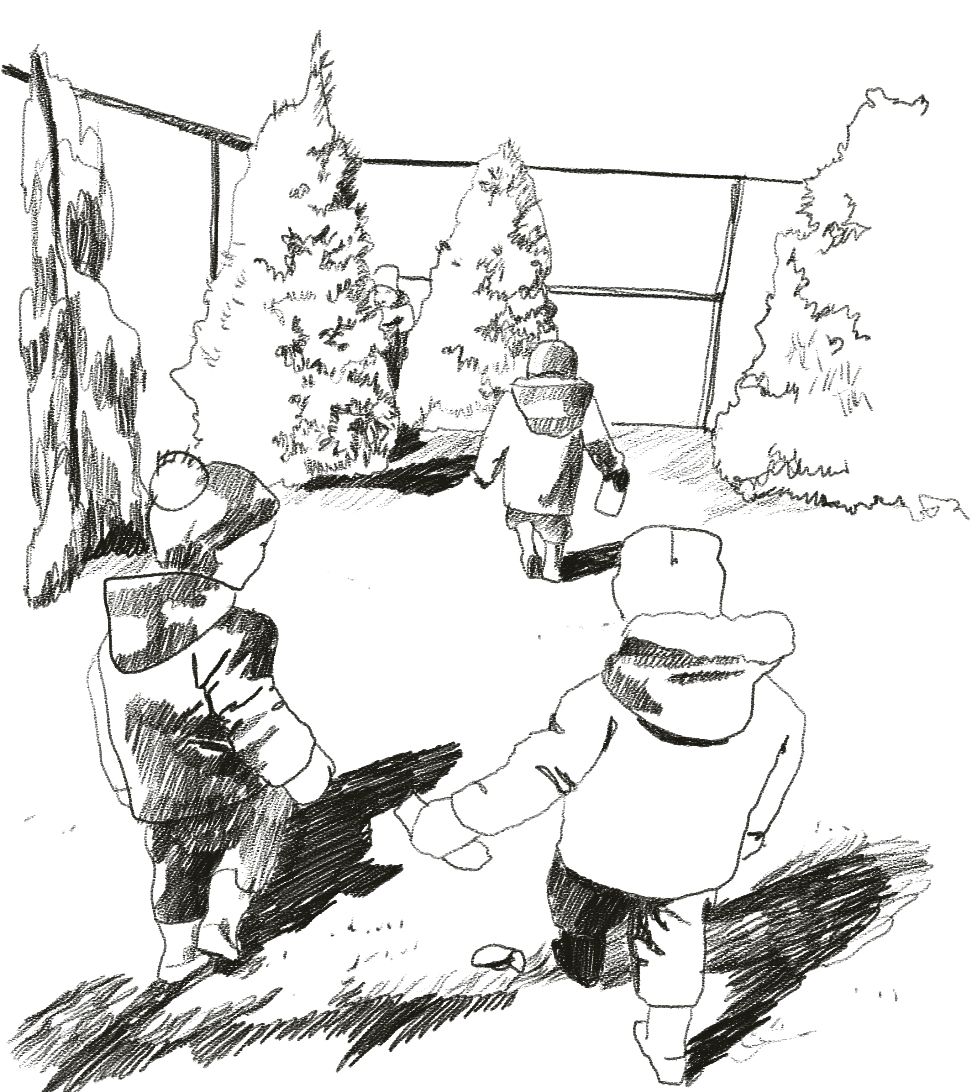
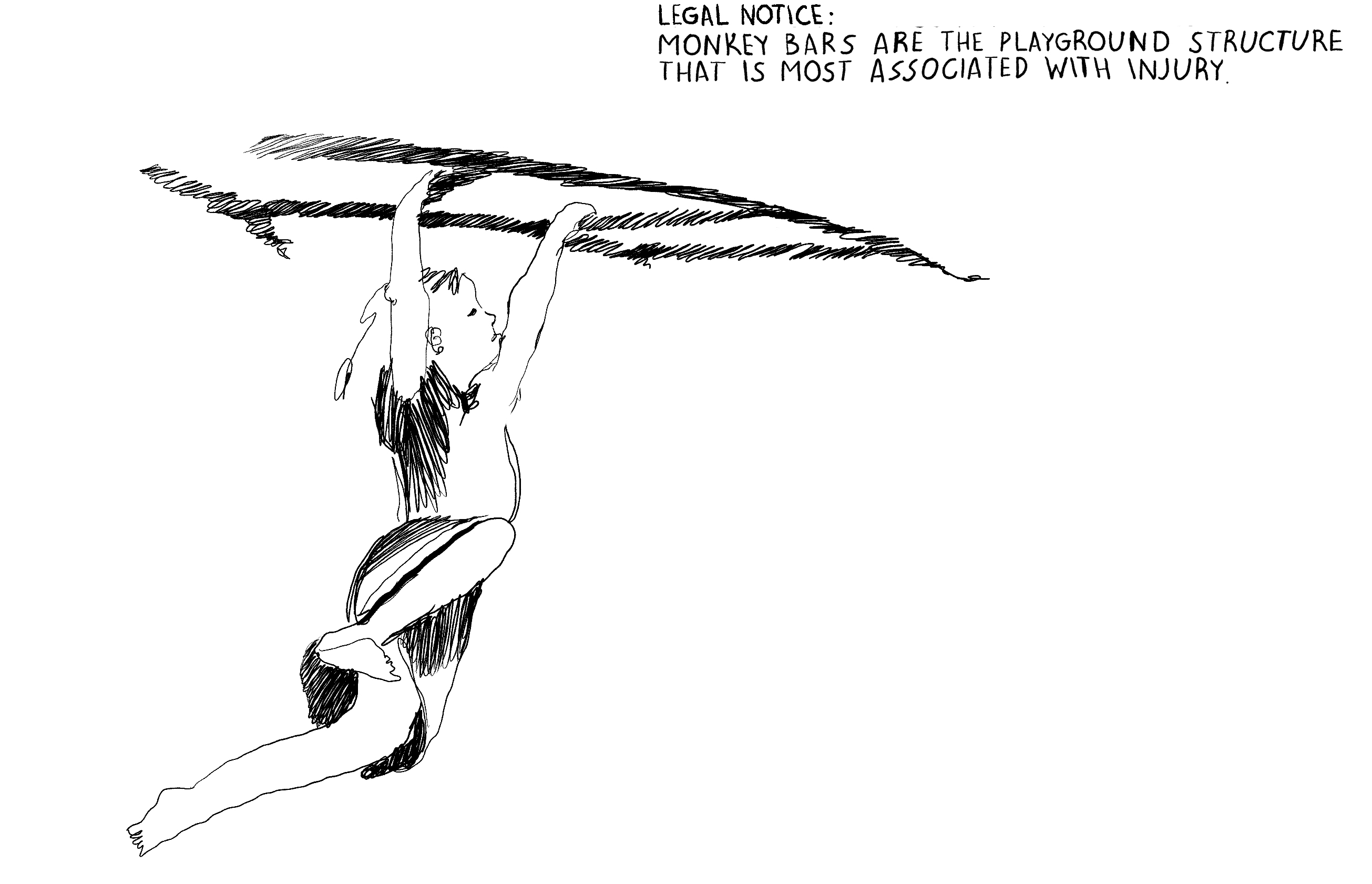
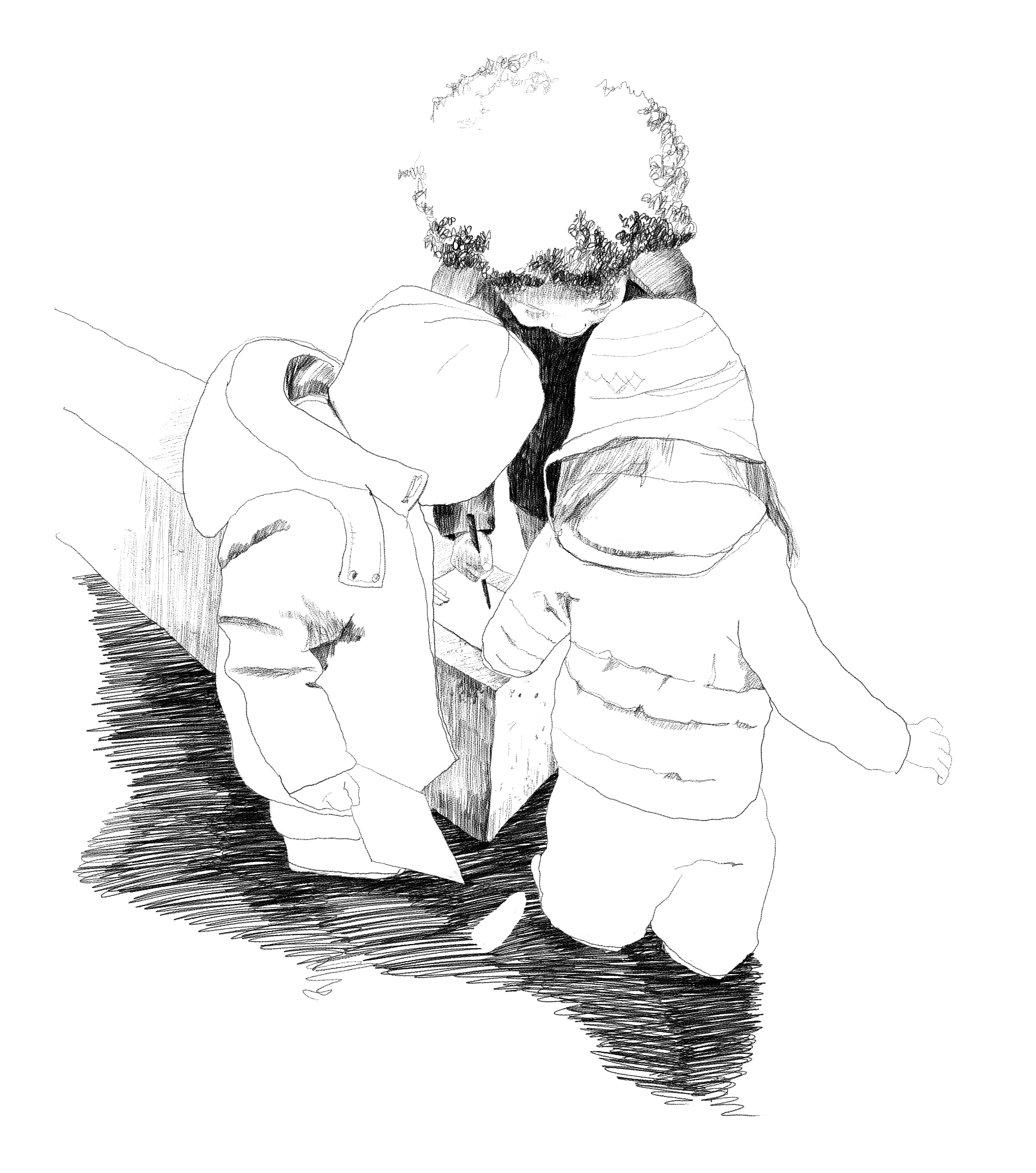
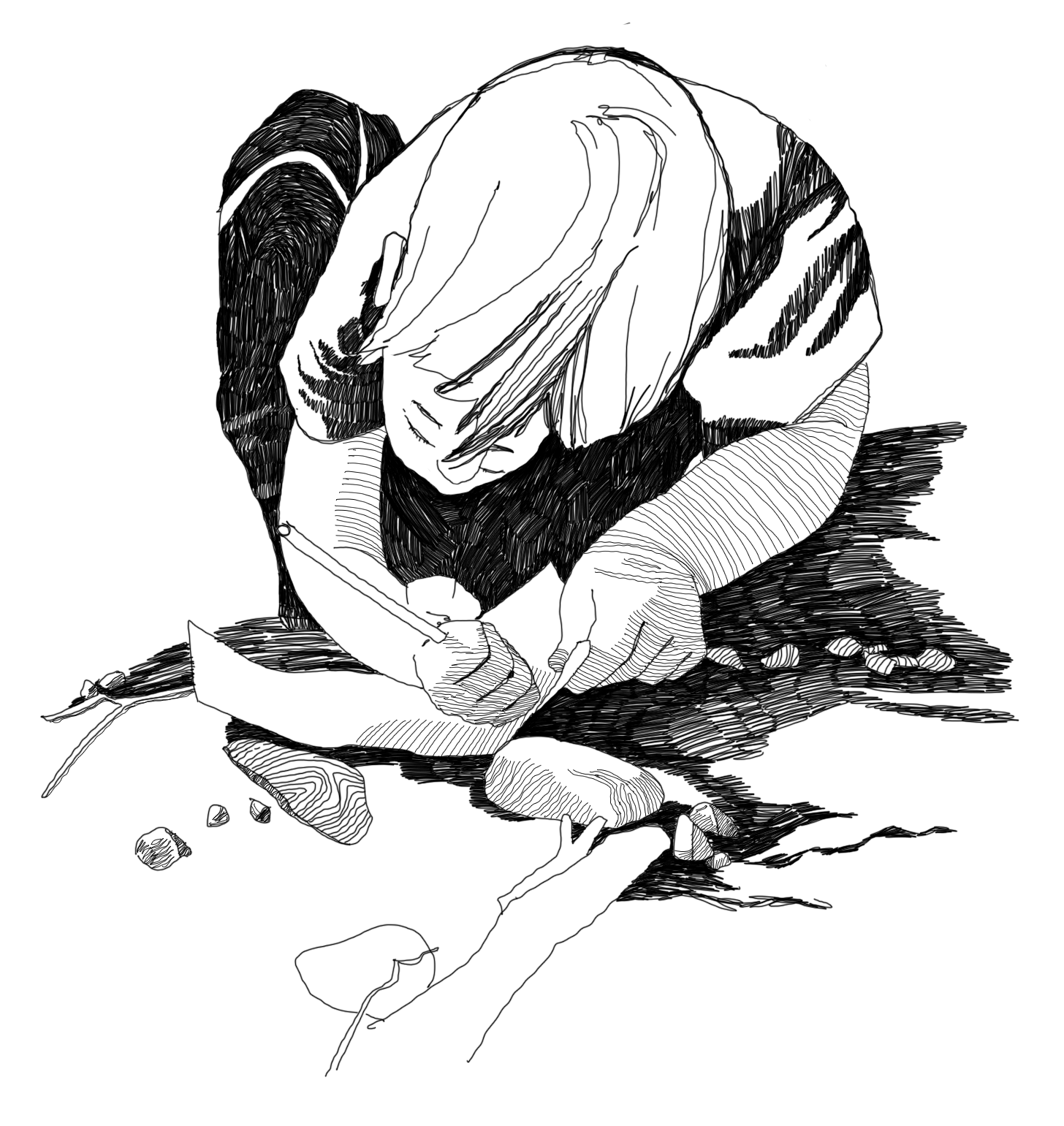
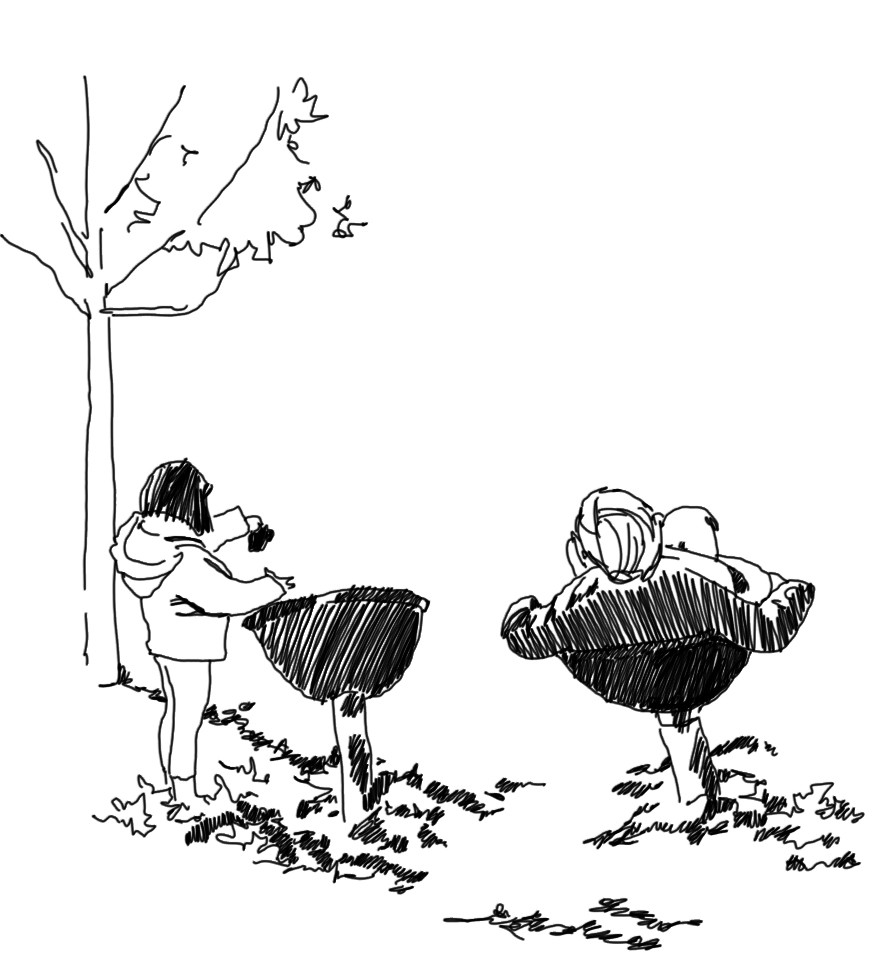
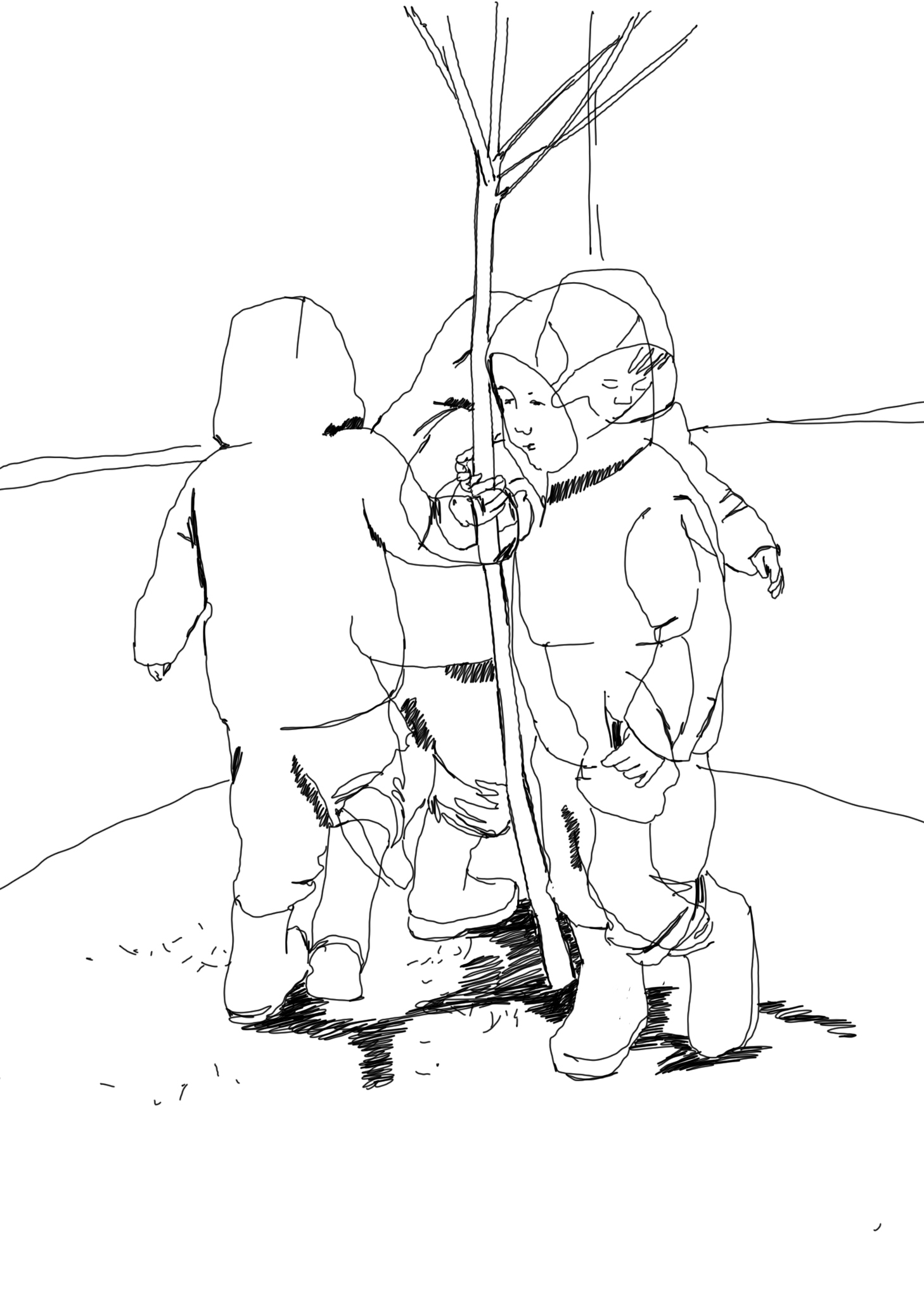
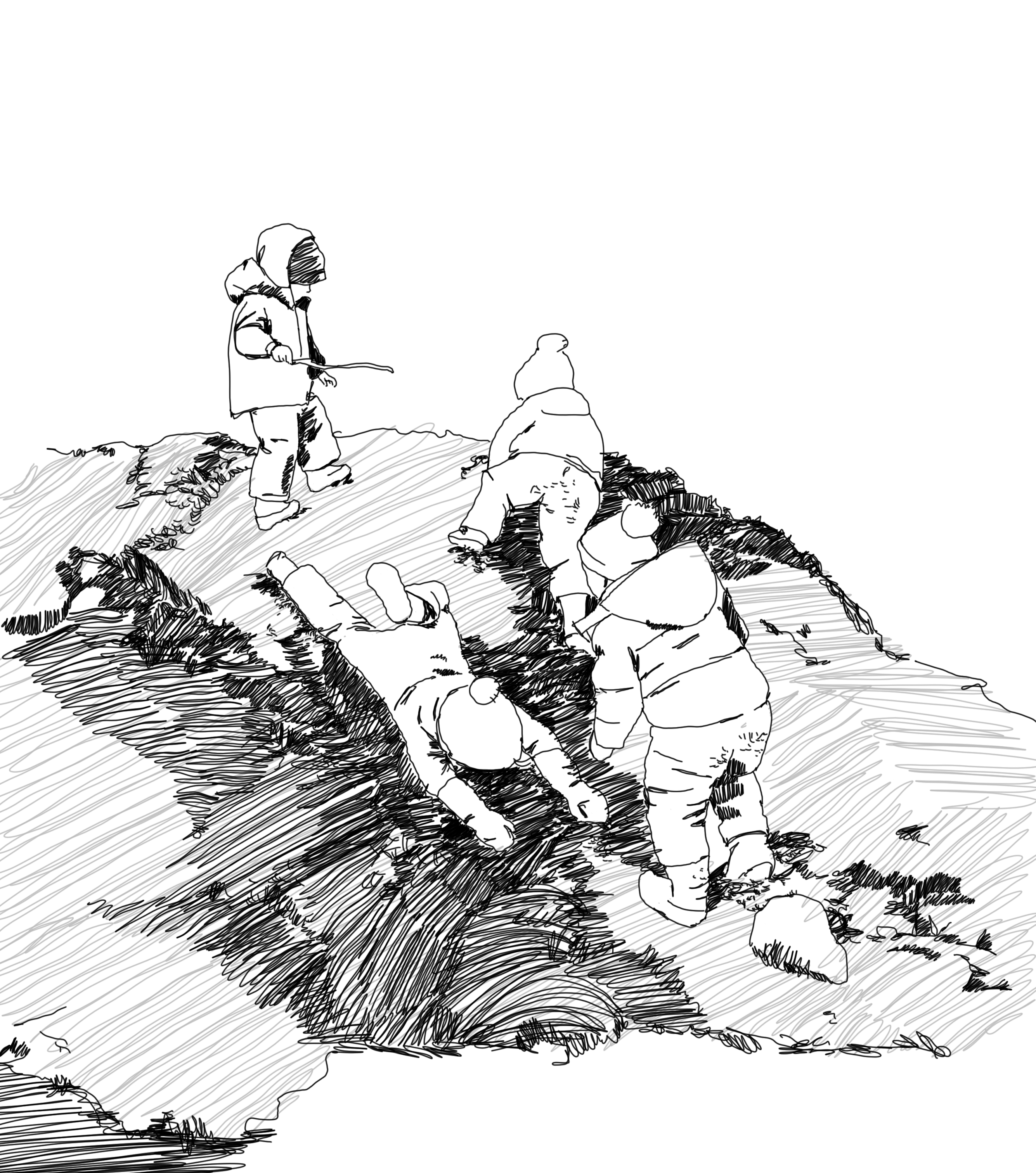
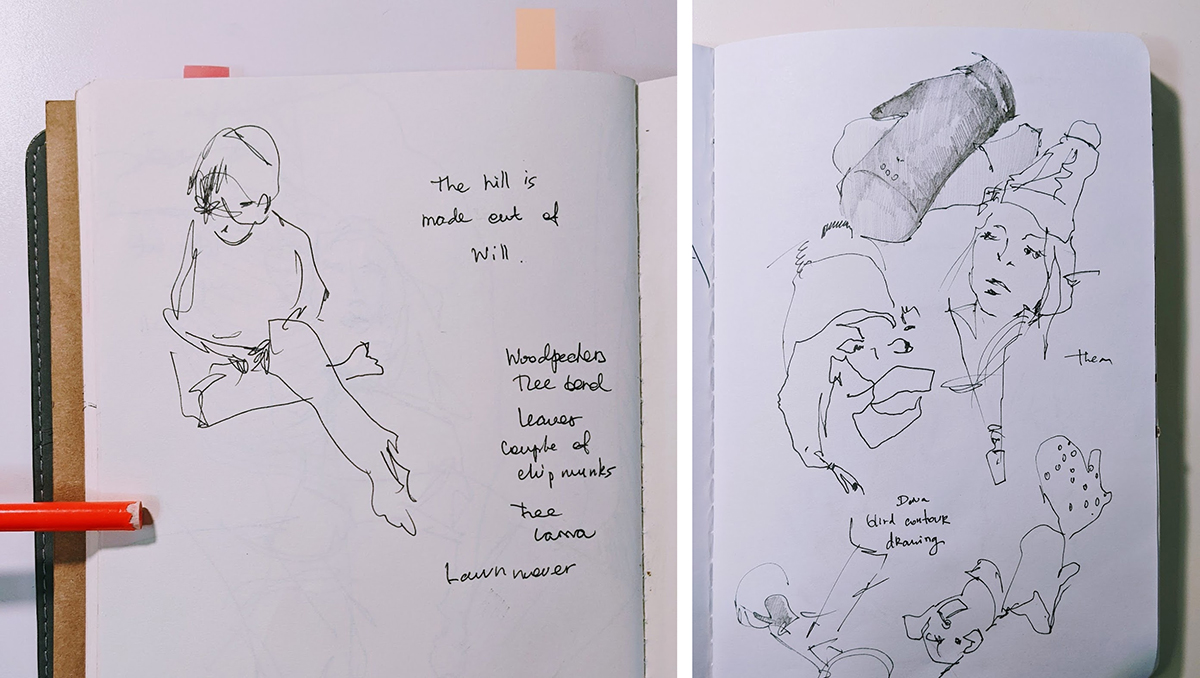
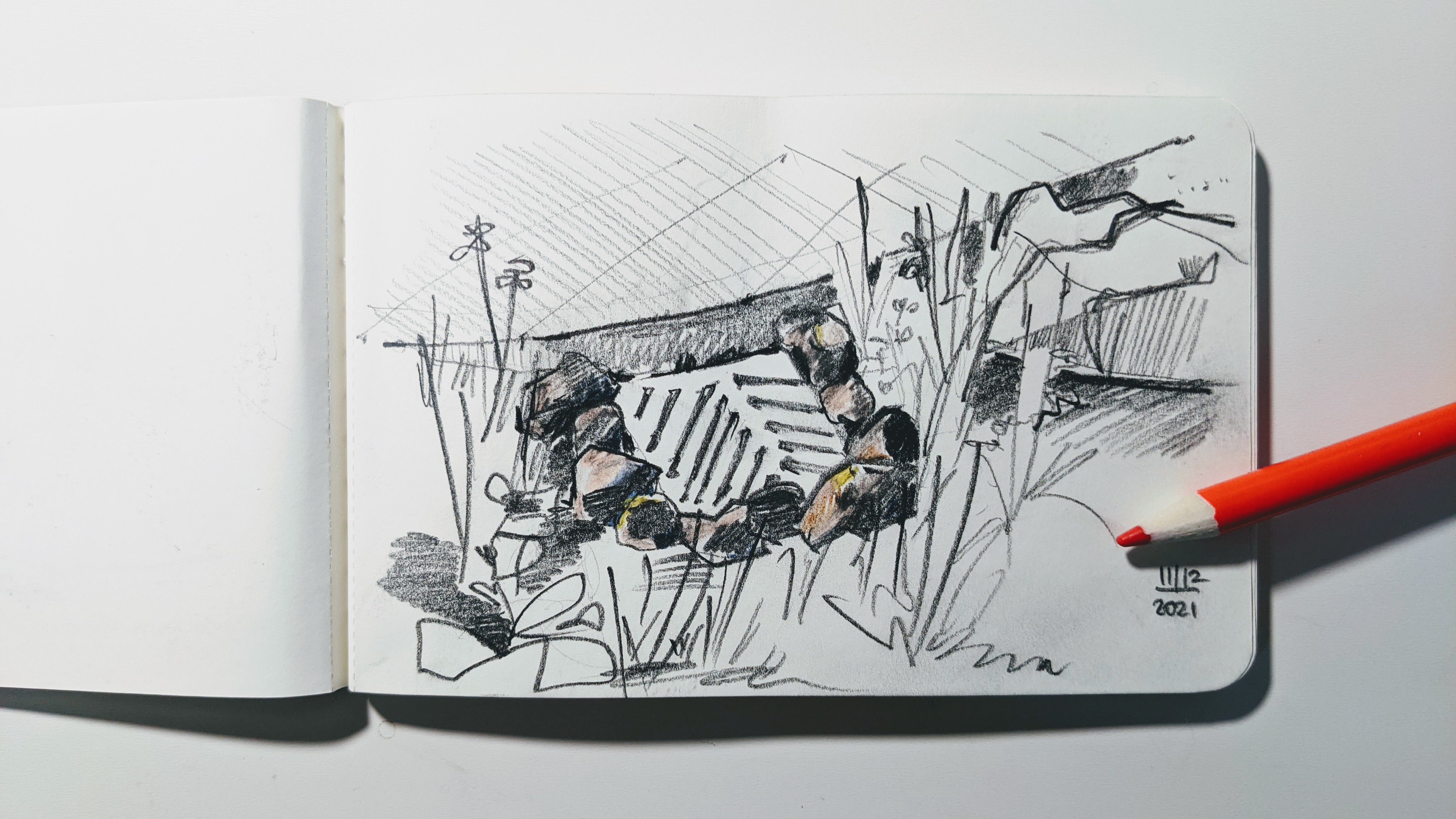
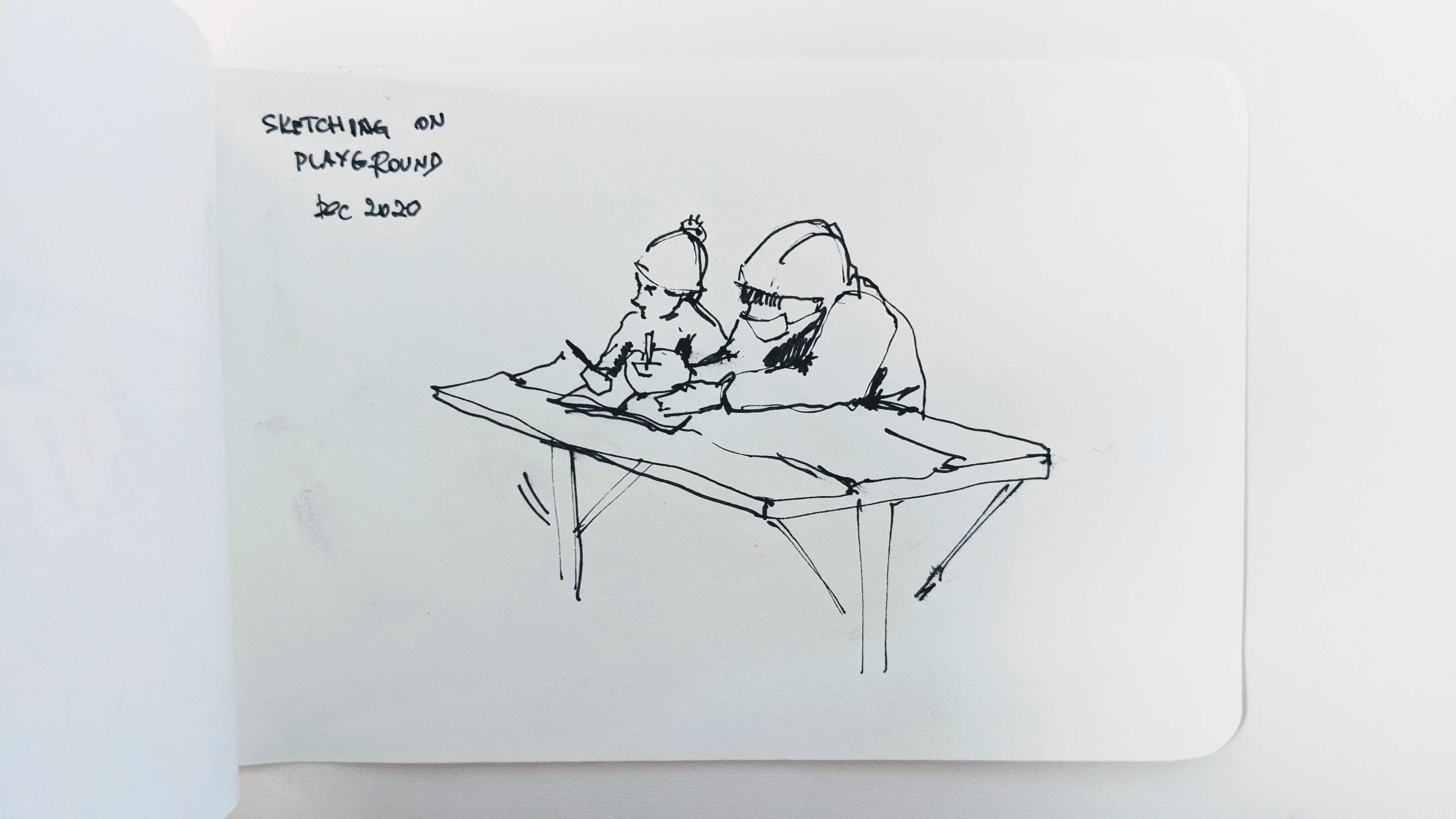
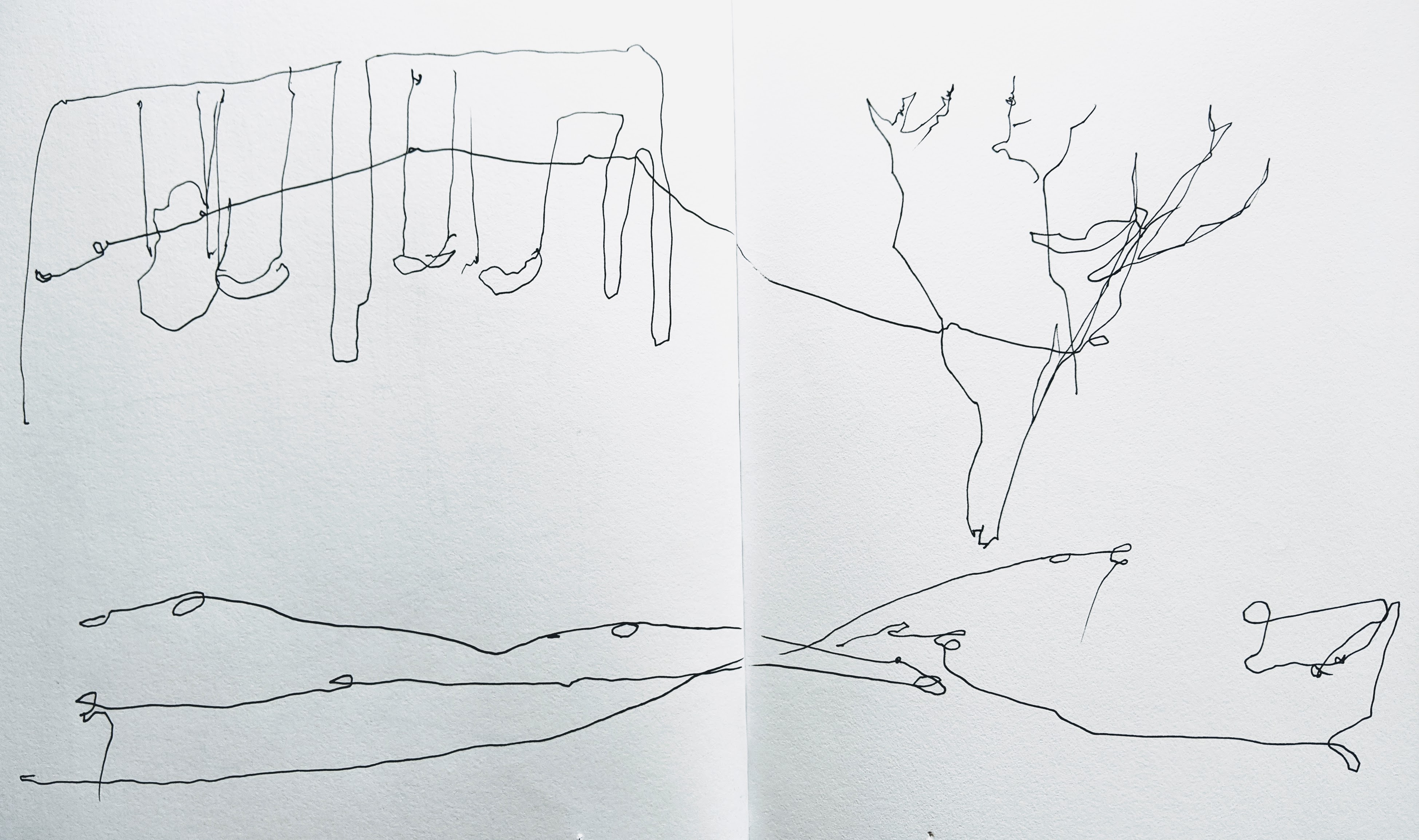
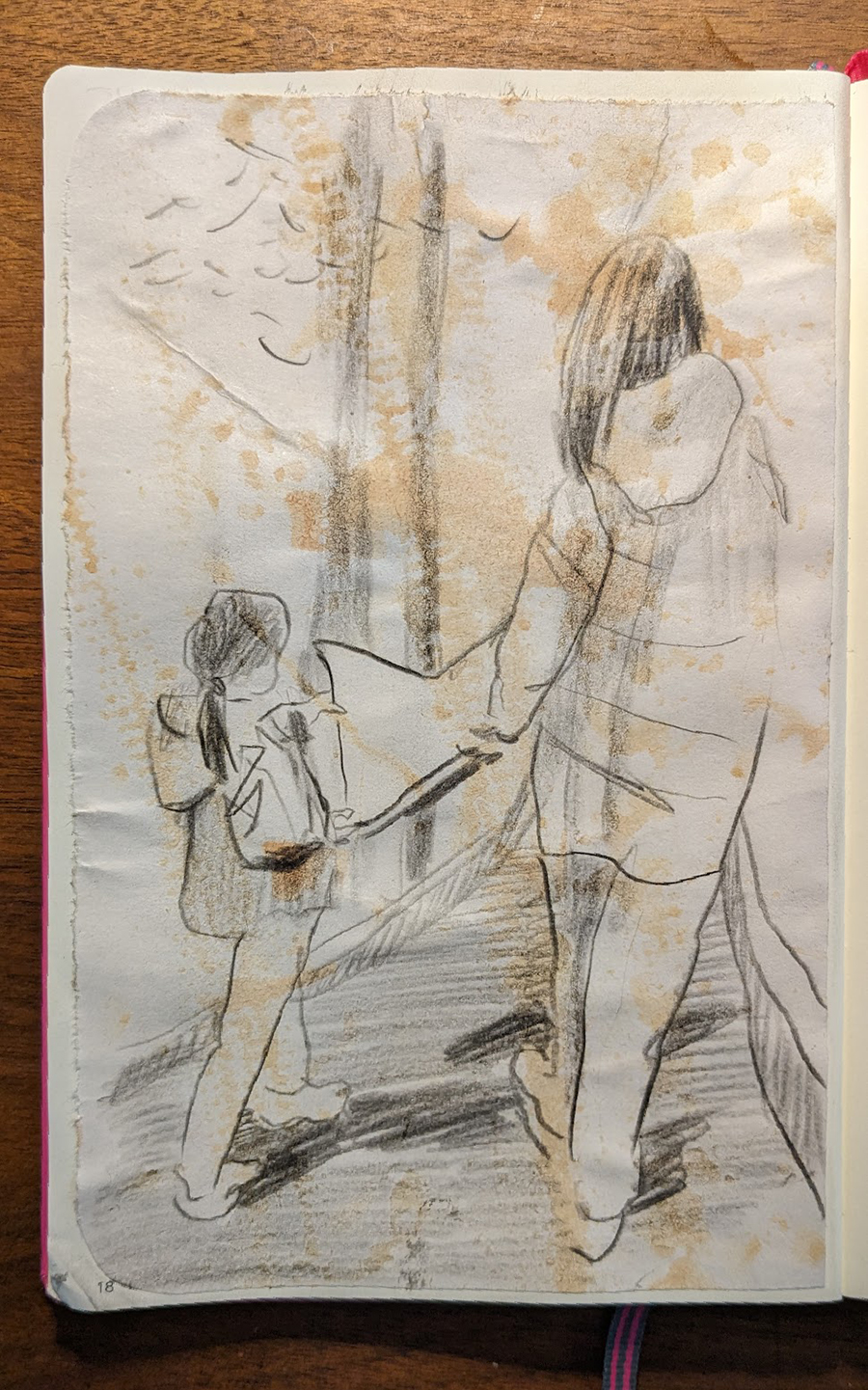
Sketching, as one of the methods of collecting traces and engaging in pedagogical narration, is a kind of dance between multiple partners: that which pulls our attention, the eye, the gripping hand and fingers, and the materials that support the drawings.
Thinking with Ingold, I propose that sketches, just like hand-written notes of text, are a build-up of small pencil lines, an amassing of noticings. Both are practices of mark-making, already familiar, already full of possibilities for thinking. This way, sketching stops being a forbidding act requiring a specialized artistic talent.
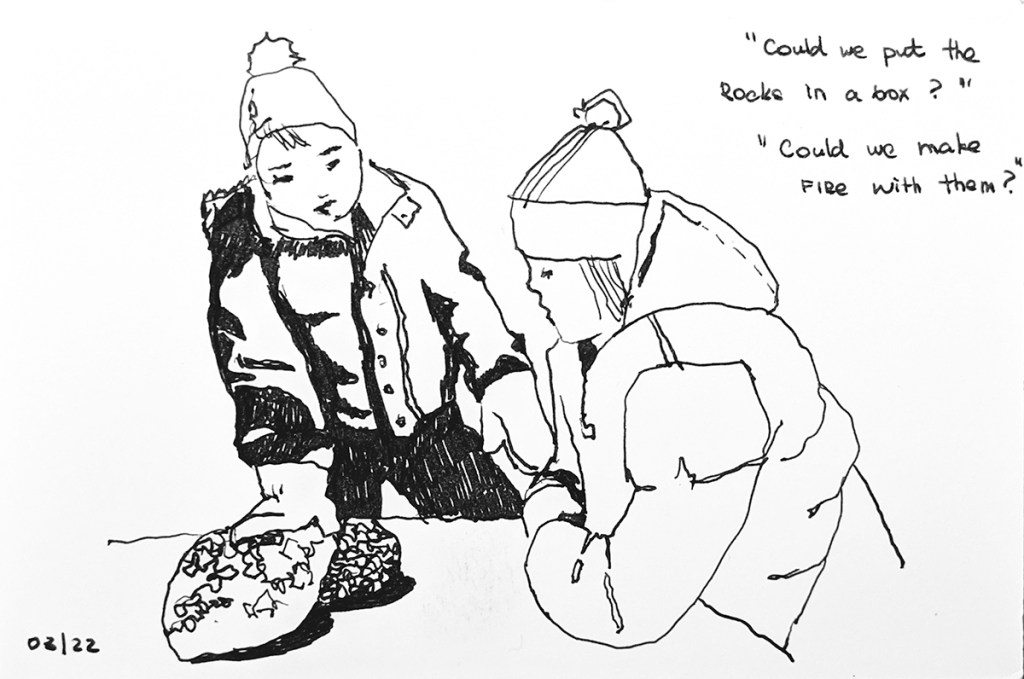
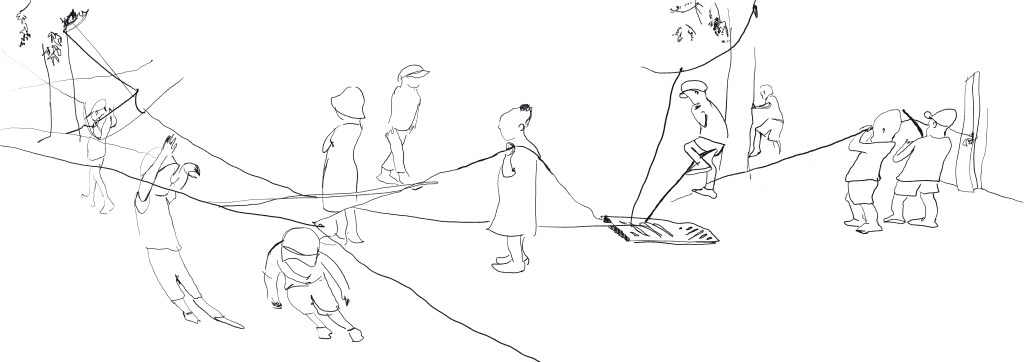
Pedagogical narration (also referred to as pedagogical or educational documentation), a practice inspired by the work of educational institutions in Reggio Emilia (Italy), denotes a process of narrating early childhood education experiences. Dahlberg, Moss and Pence (2013), as well as Pacini-Ketchabaw, Nxumalo, Kocher, Elliot and Sanchez (2015) put it forward as a practice of mobilizing educators’ curriculum documentation for critical reflection, central to the processes of meaning-making and political discourses embedded in education. Reflecting on their work with educators, these writers point to the deeply reflective and responsibility-driver nature of the practice by opening for debate the documented pedagogical movements, resisting simple and habitual explanations, constructing ethical and political meanings, and storing ordinary everyday encounters in creating learning (also see Berger, 2010; Hodgins, 2019b).
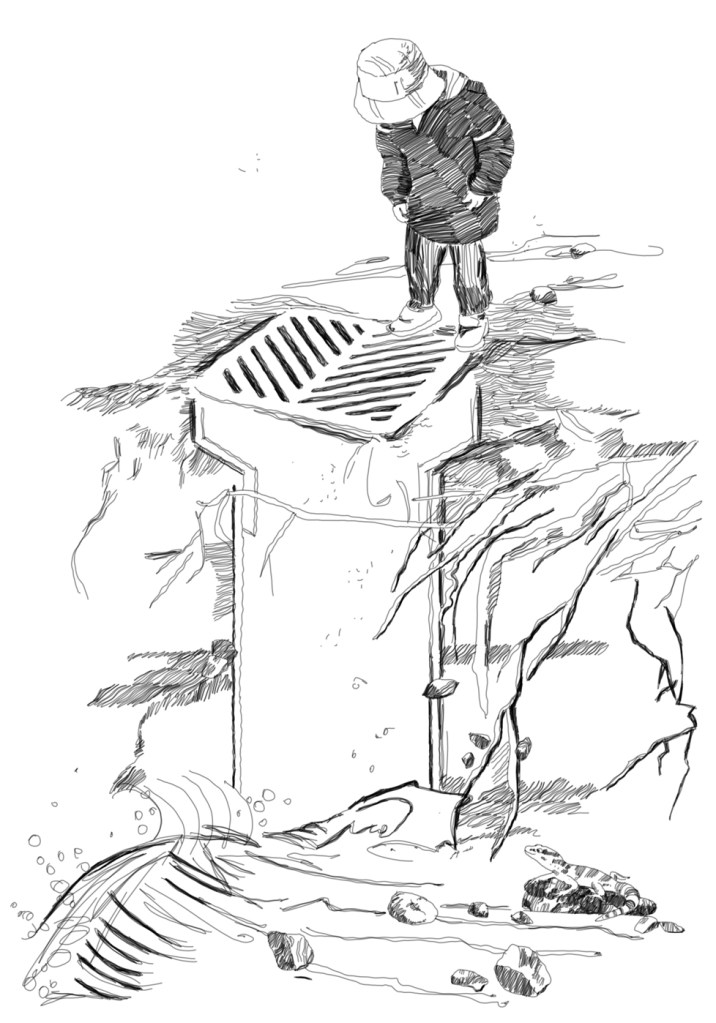
I do not propose sketching as a form of realistic drawing, but as writing-executed-differently:
take the familiar process of hand-writing, and modify the physicality of marking on paper traces of that which is being noticed.
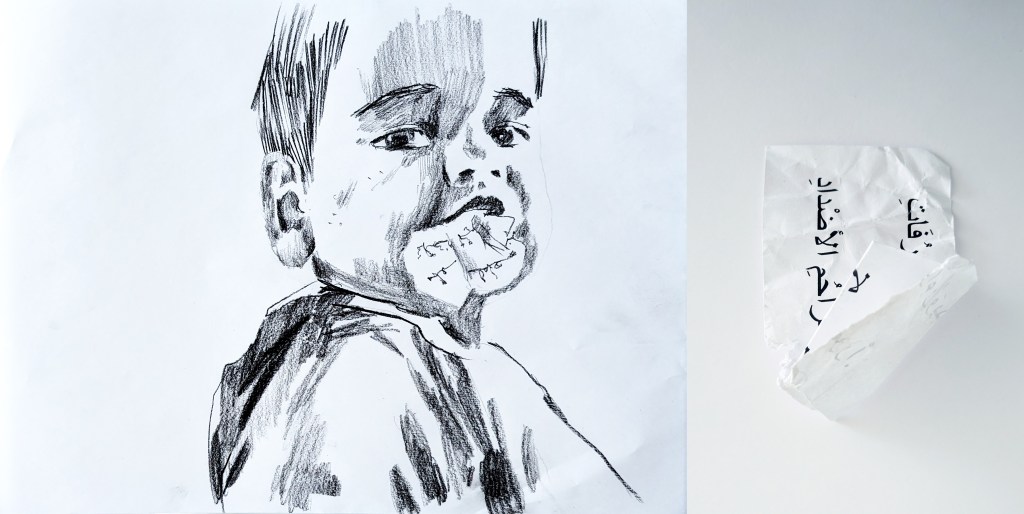
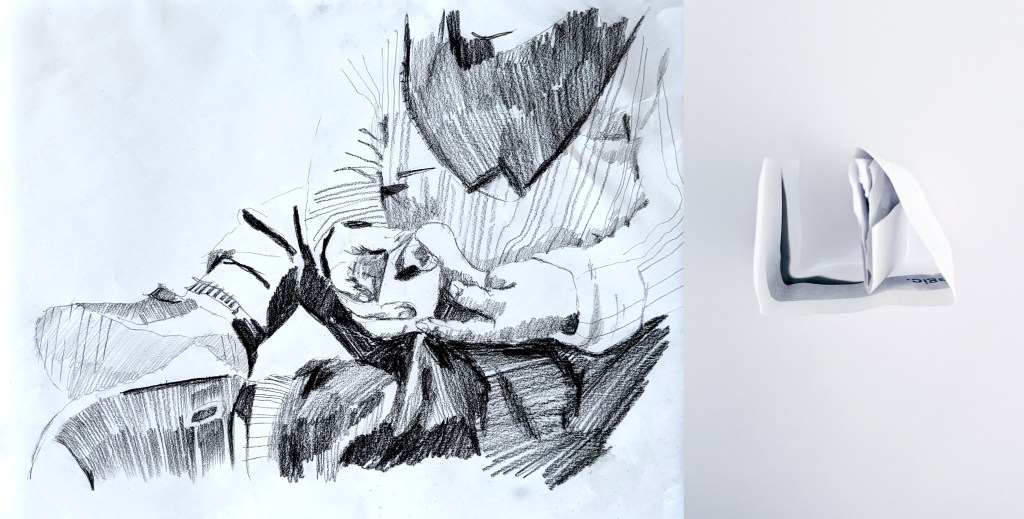
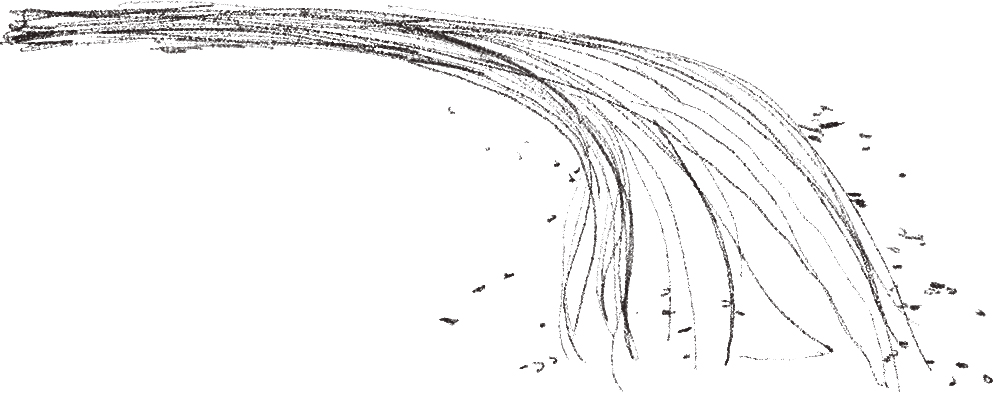
Within the practice of documentation, sketching is thus proposed as a form of the act of writing: same lines but differently composed. Such proposition has historical roots, too. Throughout the Renaissance, drawing and handwriting were considered analogous, both depending on “the manipulation of the line” (Bermingham 2000 in Hoffmann, 2019, p. 9).
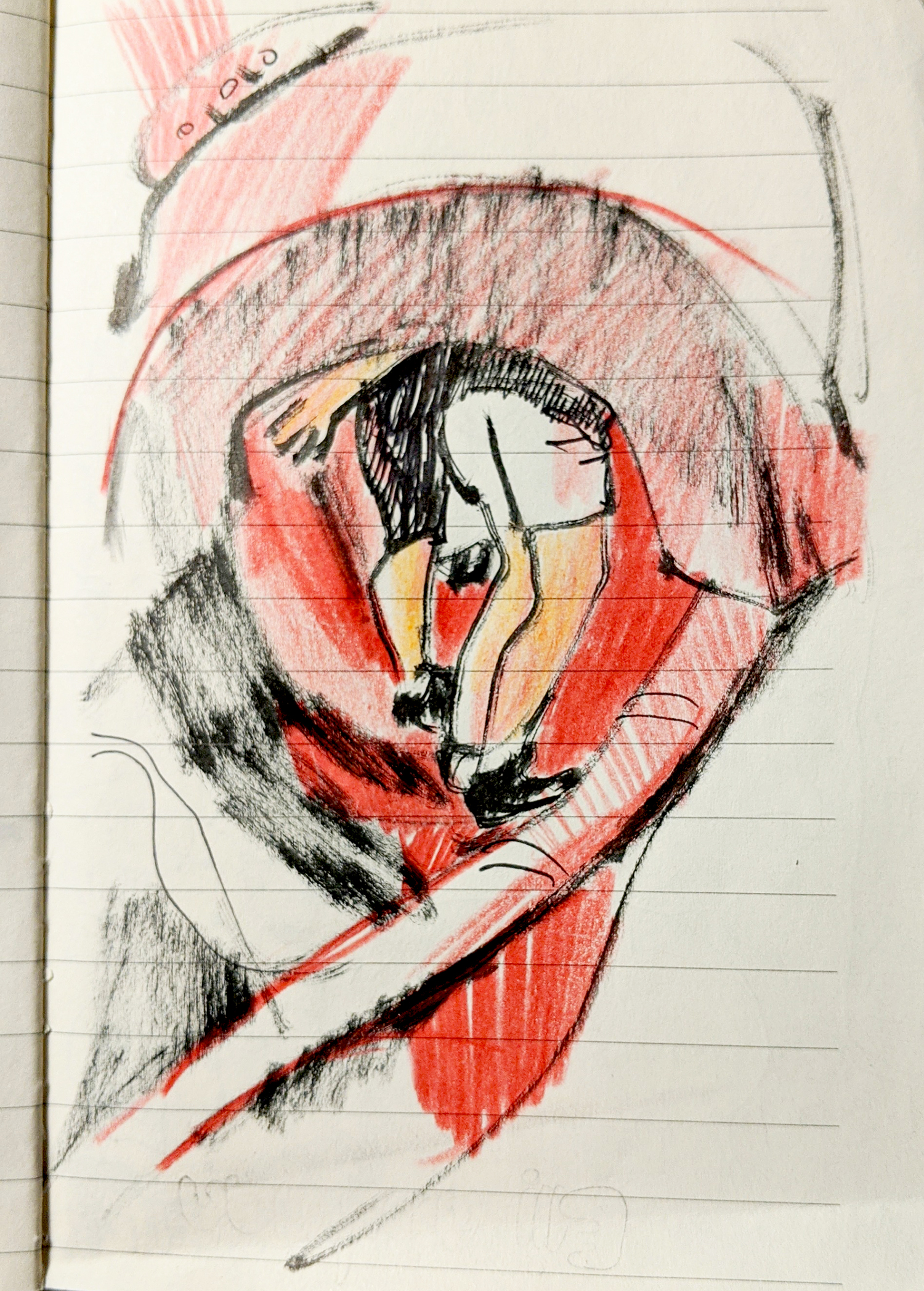
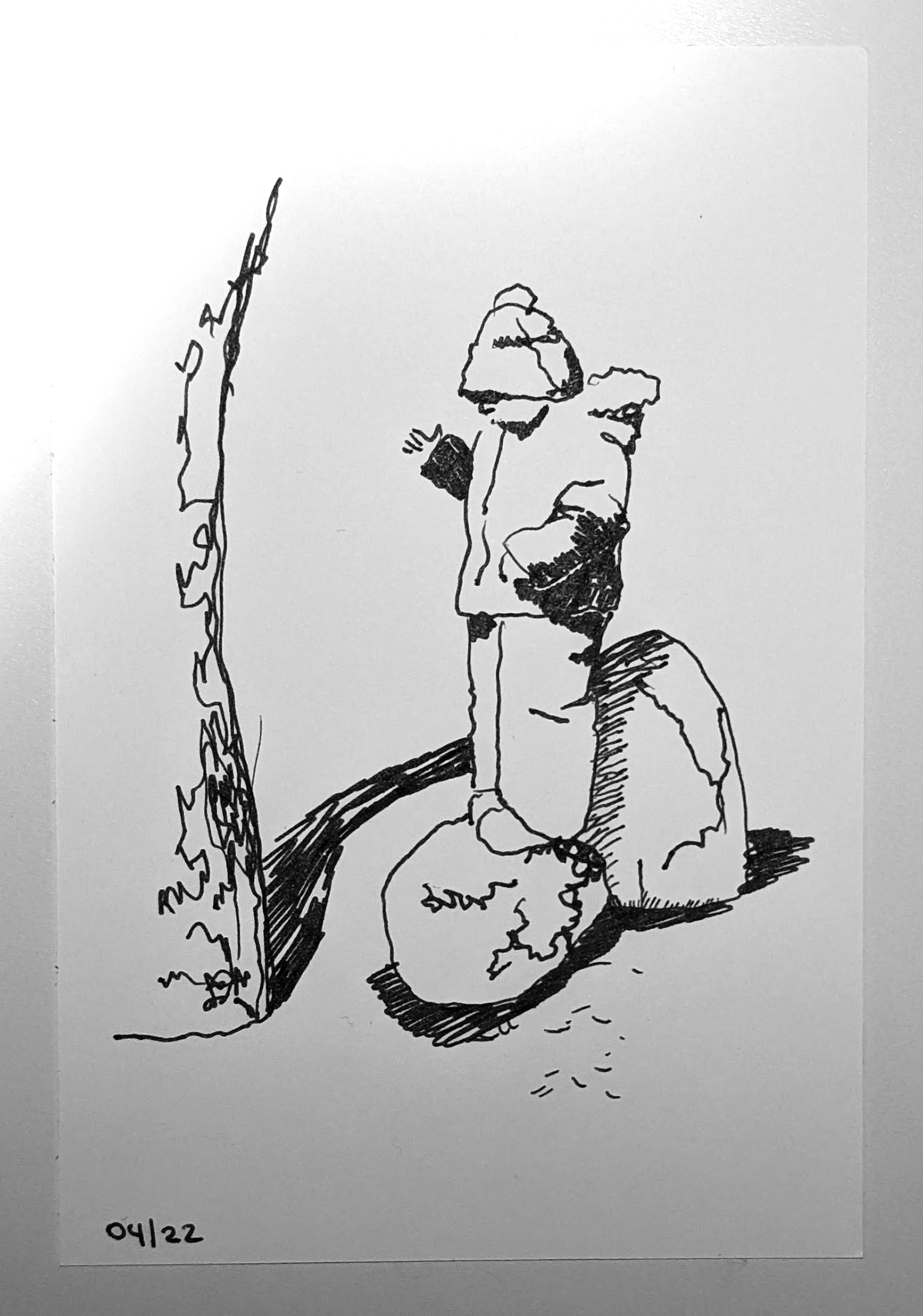
Sketching as a method of pedagogical documentation is not offered as means of revealing the subconscious (art analysis) , nor as a problem-solving tool (diagrams, charts and flows) or a technically-sound replication of forms and contours (realistic drawing). It’s not even offered as a communication tool, the way sketching is commonly used in the field of design. Instead, the invitation to sketch is fueled by the same desires as the invitation to document: to notice, consider and narrate that which is (pedagogically) significant within curriculum-making (CECE, 2020; Delgado Vintimilla & Pacini-Ketchabaw, 2021 with reference to Rinaldi, 2005).
Sketching is a process of visual response (Reason, 2018), a practice of “drawing-enhanced seeing” (Causey, 2017, p. 13) that puts educators into an embodied and intimate dynamic with both the who and the how of documentation.
References:
Berger. I.(2010). Extending the notion of pedagogical narration through Hannah Arendt’ political thought. In V. Pacini Ketchabaw (Ed.). Flows, Rhythms & intensities of early childhood education curriculum (pp. 57-76). New York, NY: Peter Lang Publishing.
Causey, A. (2017). Drawn to see : Drawing as an ethnographic method. UofT Press.
College of Early Childhood Educators, Pedagogical Practice (2020). Online.
Dahlberg, G., Moss, P., & Pence, A. R. (2013). Beyond quality in early childhood education and care : languages of evaluation (Third edition.). Milton Park, Abingdon, Oxon: Routledge, Taylor & Francis Group.
Delgado Vintimilla, C. & Pacini Ketchabaw, V. (2021, March). On Becoming a Pedagogist: Brief Thoughts on Pedagogical Documentation. The Pedagogist Network of Ontario. Online: https://pedagogistnetworkontario.com
Hodgins, B. D. (2019a). Pedagogical narrations. In B. D. Hodgins, Gender and care with young children (pp. 26-57). New York, NY: Routledge, https://doi-org.proxy1.lib.uwo.ca/10.4324/9781351014434
Hoffmann, A. R. (2020). Sketching as design thinking. Routledge.
Pacini-Ketchabaw, V., Nxumalo, F., Kocher, L., Elliot, E., & Sanchez, A. (2015). Journeys: reconceptualizing early childhood practices through pedagogical narration. North York, ON: University of Toronto Press.
Reason, M. (2018). Drawing. In Lury, C., Fensham, R., Heller-Nicholas, A., Lammes, S., Last, A., Michael, M., & Uprichard, E. (2018). Routledge Handbook of Interdisciplinary Research Methods (pp. 47-52.). Routledge.
 TZG Portfolio